


Hamad Medical Corporation ( HMC) marked World Haemophilia Day, observed on April 17 annually to educate the public and patients, as part of building community support for individuals living with bleeding disorders.
The theme for 2022 is ‘Access for All’.
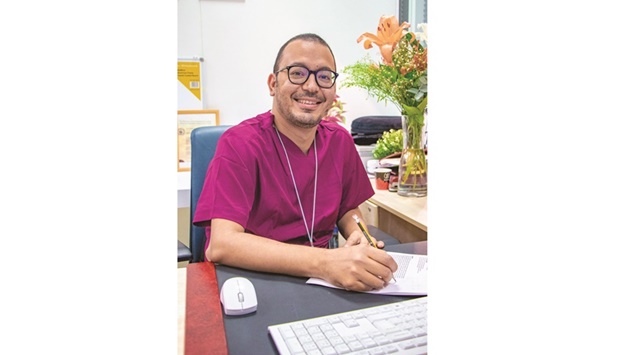
Dr Ahmed Abdulaziz Abdelbari, clinical pharmacist at Hamad General Hospital, said the prophylactic treatment for haemophilia patients can help in stemming the bleeding rate and joints and muscle damage which will improve their quality of life and help them to be integrated in the society .
“Haemophilia patients have a fault in a gene that regulates the body’s production of proteins called clotting factors. This can cause spontaneous bleeding as well as severe bleeding following injury or surgery. The most common type of haemophilia is called haemophilia A and is a result of insufficient clotting factor VIII. A less common type is haemophilia B, which is the result of an individual not having enough clotting factor IX,” he said.
Haemophilia is rare, with type A affecting around one in 10,000 people and type B affecting approximately one in 50,000 people globally. The severity of the condition depends on the amount of factor VIII or factor IX in the blood, and the disease is classified as mild, moderate, or severe. People with severe haemophilia usually experience spontaneous frequent bleeds into their muscles or joints, whereas those with mild haemophilia generally experience bleeds only as a result of surgery or major injury.
“For the most part, haemophilia is a life-long condition that an individual is born with and regardless of the type, the result is the same in that the individual bleeds for a longer time than normal. New long-acting factor replacement therapies are revolutionising haemophilia care by providing on-demand or rescue treatments. When taken at the first sign of injury, these therapies can help stop excessive bleeding,” said, Dr Abdelbari.
The clinical pharmacist noted that in very rare cases, a person can develop haemophilia later in life. He said the majority of these cases involve middle-aged or elderly people or young women who have recently given birth or are in the later stages of pregnancy. Known as acquired haemophilia, the condition usually resolves with appropriate treatment.
Around 75 patients with haemophilia and rare bleeding disorders are currently receiving follow-up care at HMC. Dr Abdelbari says for patients with haemophilia, ongoing monitoring and treatment are key to preventing excessive bleeding and complications. He said that there is no cure for the condition but with proper management, individuals with haemophilia can enjoy a good quality of life.
Since the gene for haemophilia is carried on the X chromosome, it is almost entirely a male disease. However, women can pass the gene to their offspring and Dr Abdelbari says this underscores the importance of both increasing public awareness about the condition and the need for pre-marital screening.
“We encourage all women who have experienced symptoms of a bleeding disorder to get screened for haemophilia. Common symptoms of a bleeding disorder include frequent nose and gum bleeds, unexplained and uncontrolled bleeding, including muscle bleeds, and bruising. Women with haemophilia are particularly at risk of excessive postpartum bleeding following childbirth and can experience prolonged or heavy menstrual bleeding. It is important for women who carry the haemophilia gene to be aware of their status,” stated, Dr Abdelbari.
A blood test can determine haemophilia, and more specifically whether it is type A or type B and it is advisable for women to know their carrier status before becoming pregnant.
Dr Ahmed Abdulaziz Abdelbari, clinical pharmacist at Hamad General Hospital, said the prophylactic treatment for haemophilia patients can help in stemming the bleeding rate and joints and muscle damage which will improve their quality of life and help them to be integrated in the society .
“Haemophilia patients have a fault in a gene that regulates the body’s production of proteins called clotting factors. This can cause spontaneous bleeding as well as severe bleeding following injury or surgery. The most common type of haemophilia is called haemophilia A and is a result of insufficient clotting factor VIII. A less common type is haemophilia B, which is the result of an individual not having enough clotting factor IX,” he said.
Haemophilia is rare, with type A affecting around one in 10,000 people and type B affecting approximately one in 50,000 people globally. The severity of the condition depends on the amount of factor VIII or factor IX in the blood, and the disease is classified as mild, moderate, or severe. People with severe haemophilia usually experience spontaneous frequent bleeds into their muscles or joints, whereas those with mild haemophilia generally experience bleeds only as a result of surgery or major injury.
“For the most part, haemophilia is a life-long condition that an individual is born with and regardless of the type, the result is the same in that the individual bleeds for a longer time than normal. New long-acting factor replacement therapies are revolutionising haemophilia care by providing on-demand or rescue treatments. When taken at the first sign of injury, these therapies can help stop excessive bleeding,” said, Dr Abdelbari.
The clinical pharmacist noted that in very rare cases, a person can develop haemophilia later in life. He said the majority of these cases involve middle-aged or elderly people or young women who have recently given birth or are in the later stages of pregnancy. Known as acquired haemophilia, the condition usually resolves with appropriate treatment.
Around 75 patients with haemophilia and rare bleeding disorders are currently receiving follow-up care at HMC. Dr Abdelbari says for patients with haemophilia, ongoing monitoring and treatment are key to preventing excessive bleeding and complications. He said that there is no cure for the condition but with proper management, individuals with haemophilia can enjoy a good quality of life.
Since the gene for haemophilia is carried on the X chromosome, it is almost entirely a male disease. However, women can pass the gene to their offspring and Dr Abdelbari says this underscores the importance of both increasing public awareness about the condition and the need for pre-marital screening.
“We encourage all women who have experienced symptoms of a bleeding disorder to get screened for haemophilia. Common symptoms of a bleeding disorder include frequent nose and gum bleeds, unexplained and uncontrolled bleeding, including muscle bleeds, and bruising. Women with haemophilia are particularly at risk of excessive postpartum bleeding following childbirth and can experience prolonged or heavy menstrual bleeding. It is important for women who carry the haemophilia gene to be aware of their status,” stated, Dr Abdelbari.
A blood test can determine haemophilia, and more specifically whether it is type A or type B and it is advisable for women to know their carrier status before becoming pregnant.