


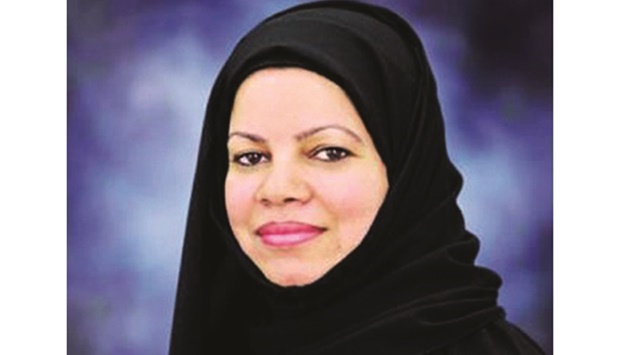
The Primary Health Care Corporation (PHCC) has offered several health tips for people fasting in the Holy Month of Ramadan.
Dr Shawqiya al-Majid, manager of PHCC’s Umm Ghuwailina Health Centre, said, “Studies have shown that fasting has many health benefits, such as releasing toxins from the body, losing excess weight, increasing activity, boosting immunity, improving the general health and regulating blood sugar levels.”
Focusing on mental health, Dr al-Majid stated that fasting helps to be patient, be self-disciplined, control feelings of anger, and reduce nervousness.
As for those with chronic diseases or older persons, they should consult a doctor to help them decide whether fasting is safe or not. Dr al-Majid noted that older persons can mostly be exposed to dehydration during the fast. Nonadherence to taking medicines on time also leads to complications of the same disease. In addition, older persons could suffer from poor nutrition and may not get enough vitamins or minerals if they fast without following a healthy diet. Dr al-Majid therefore advised older persons to consult their doctor before fasting, take their medicines on time, delay their pre-dawn meal and hasten to break their fast, reduce their intake of high-fat and high-calorie foods, and drink plenty of water.
Dr al-Majid further explained that fasting for diabetic patients depends on the type of diabetes and its complications and the medical’s team advice. She advises diabetic patients to test their blood sugar level several times a day, especially during the first days when they experience symptoms of low or high blood sugar. Diabetic patients taking tablets once a day are advised to take them at Iftar time, while those who take tablets twice a day are advised to take one tablet at Suhoor meal and another at Iftar meal. For some tablets, diabetic patients may need to decrease their dose according to their blood sugar level following their doctor’s advice.
Those with cardiovascular diseases are not advised to fast, such as those who had blood clot, for the first six weeks of the incident, heart attack, acute heart failure, arrhythmia, some cases with severe heart valve stenosis, and some cases with uncontrolled high blood pressure.
As for kidney patients, Dr al-Majid said: “We usually do not recommend fasting for patients with kidney failure and fasting among patients on dialysis should be on the day where they do not undergo dialysis and after consulting their doctor. Additionally, those with kidney stones are not advised to fast, especially on extremely hot days, and when fasting, they should drink adequate quantities of fluids between Iftar and Suhoor.”
According to Dr al-Majid, pregnant women can fast if they do not suffer from any health issues after consulting their doctor. However, fasting is not recommended for some cases, such as those in their first trimester of pregnancy, especially with the presence of risk factors threatening their unborn babies’ lives. Cases with severe vomiting and some chronic diseases require adherence to a certain diet or taking some medications, such as mothers with diabetes, gestational diabetes, and blood pressure, as well as mothers with low foetal weight or who suffer from early labour contractions.
Focusing on mental health, Dr al-Majid stated that fasting helps to be patient, be self-disciplined, control feelings of anger, and reduce nervousness.
As for those with chronic diseases or older persons, they should consult a doctor to help them decide whether fasting is safe or not. Dr al-Majid noted that older persons can mostly be exposed to dehydration during the fast. Nonadherence to taking medicines on time also leads to complications of the same disease. In addition, older persons could suffer from poor nutrition and may not get enough vitamins or minerals if they fast without following a healthy diet. Dr al-Majid therefore advised older persons to consult their doctor before fasting, take their medicines on time, delay their pre-dawn meal and hasten to break their fast, reduce their intake of high-fat and high-calorie foods, and drink plenty of water.
Dr al-Majid further explained that fasting for diabetic patients depends on the type of diabetes and its complications and the medical’s team advice. She advises diabetic patients to test their blood sugar level several times a day, especially during the first days when they experience symptoms of low or high blood sugar. Diabetic patients taking tablets once a day are advised to take them at Iftar time, while those who take tablets twice a day are advised to take one tablet at Suhoor meal and another at Iftar meal. For some tablets, diabetic patients may need to decrease their dose according to their blood sugar level following their doctor’s advice.
Those with cardiovascular diseases are not advised to fast, such as those who had blood clot, for the first six weeks of the incident, heart attack, acute heart failure, arrhythmia, some cases with severe heart valve stenosis, and some cases with uncontrolled high blood pressure.
As for kidney patients, Dr al-Majid said: “We usually do not recommend fasting for patients with kidney failure and fasting among patients on dialysis should be on the day where they do not undergo dialysis and after consulting their doctor. Additionally, those with kidney stones are not advised to fast, especially on extremely hot days, and when fasting, they should drink adequate quantities of fluids between Iftar and Suhoor.”
According to Dr al-Majid, pregnant women can fast if they do not suffer from any health issues after consulting their doctor. However, fasting is not recommended for some cases, such as those in their first trimester of pregnancy, especially with the presence of risk factors threatening their unborn babies’ lives. Cases with severe vomiting and some chronic diseases require adherence to a certain diet or taking some medications, such as mothers with diabetes, gestational diabetes, and blood pressure, as well as mothers with low foetal weight or who suffer from early labour contractions.