


A majority of liver patients with stable conditions can fast during Ramadan without possible complications, according to Dr Mootaz Derbala, senior consultant, Gastroenterology and Hepatic Diseases, Hamad Medical Corporation (HMC).
However, he said patients with acute hepatitis, esophageal varicose, and ascites and hepatic encephalopathy should refrain from fasting as it may adversely affect their health conditions.
Patients with chronic liver disease but whose conditions are stable can fast during Ramadan without possible complications, and perhaps, fasting may rid such patients of excess liver fat.
“Late-stage liver disease patients with conditions such as varicose veins, ascites, hepatic encephalopathy, and comorbidities such as diabetes should refrain from fasting as it may pose a threat to their health. The majority of patients with liver diseases such as liver immunodeficiency patients, congenital liver disease, Hepatitis B, and Hepatitis C may fast after consulting their attending physician," Dr Derbala said.
“Liver patients who intend to fast in the month of Ramadan should adhere to healthy dietary practices and have balanced diets. It is important to put more focus on food quality. We advise fasting liver patients to break their fasting with a light sweet drink, have a prayer break, and then take their breakfast meal. The breakfast meal should comprise of carbohydrates, fruit sugars, and proteins with minimal quantities of fat, especially for fatty-liver patients, and adequate amounts of fluids to prevent dehydration," he said.
"To achieve optimal function of the liver, liver patients should have a balanced diet inclusive of all food groups; cereals, fruits, vegetables, meat, beans, milk and oil in addition to fibre-rich foods such as wholegrain bread, rice, fruits, and vegetables. They should avoid fast-food, including deep-fried food and raw or uncooked oysters," Dr Derbala added.
He noted that liver transplant patients should refrain from fasting in the first year of such a transplant. A patient who has completed one year or more since they had their transplant may do so during Ramadan upon consulting their physician, who would ensure the proper function of the transplanted liver.
According to the physician, liver transplant patients who intend to fast in Ramadan should rearrange immunosuppressant and oral medications’ timings whereby they take them at Iftar and Suhoor time. Patients with unstable conditions and unadvanced liver disease may encounter health problems during their fast. Signs of these health problems include dizziness and paleness of the skin. Should these signs appear, patients are advised to break their fast. Alcoholic patients should seize the opportunity of Ramadan fasting to get rid of liver problems, by avoiding alcoholic drinks. For patients with liver cirrhosis, quitting alcohol drinking can stop further deterioration of the liver and help restore health.
Liver patients are also advised to refrain from smoking as it aggravates their condition and can adversely interfere with liver disease medications, Dr Derbala said.
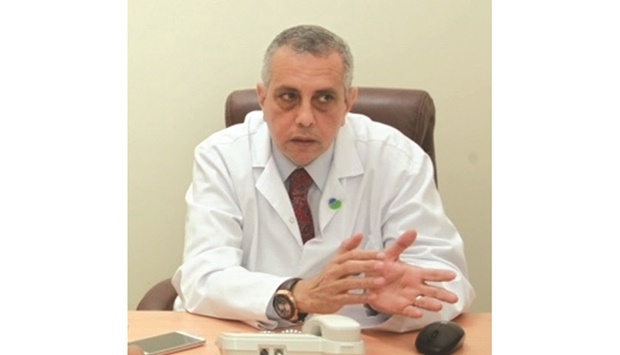
Dr Mootaz Derbala