


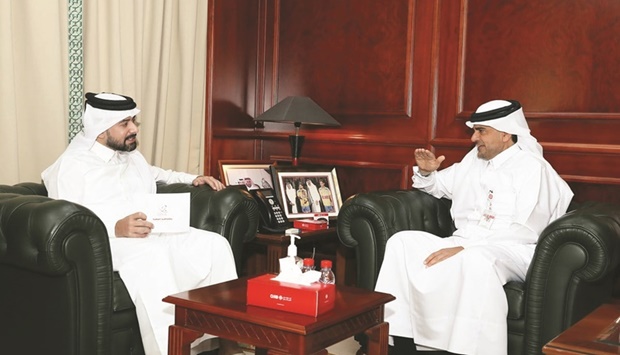
QIIB CEO to QNA: Qatar Central Bank's Role was Decisive in Stability of Qatari Banks' Positions in Strength, Ratings
QIIB chief executive Dr Abdulbasit Ahmed al-Shaibei has confirmed that the State of Qatar is one of the least affected countries in the world by the Covid-19 repercussions primarily due to the government’s rescue plans and its support for the economic sectors.
In an interview with Qatar News Agency (QNA), he highlighted the decisive role played by the Qatar Central Bank during the pandemic, which impacted the stability of Qatari banks’ positions in their strength, ratings, and continued growth of their profitability figures and the prosperity of their business.
Commenting on a question of assessing the intervention of the QCB in supporting the economy and the banking system through the packages it approved in light of the confinement of Covid-19, the QIIB CEO indicated that Qatar is one of the least affected countries in the world by the repercussions of the pandemic.
Al-Shaibei attributed the results achieved to the strength of the Qatari economy, its high solvency and its large assets, the governments rescue plans and its support for the economic sectors, including the banking sector, as well as the development of the health sector and its success in dealing with the spread of the virus, all of which avoided many of the repercussions found in other countries.
The local banks can only look with great appreciation and respect for what the central bank did during the pandemic, which had a decisive impact on the stability of Qatari banks’ positions in their strength, ratings, continued growth of their profitability figures, and the prosperity of their businesses, he added.
In the same context, he pointed out that the exceptional role played by the QCB during the coronavirus pandemic translated into to supporting the banking sector to face the repercussions of the Covid-19 pandemic.
The figures and indicators speak for themselves noticed in the results disclosed by the banks, the high credit ratings they enjoy from various international rating agencies, he said.
Qatar’s banking sector is an active part of the integrated Qatari economy system, which achieves great distinction in all sectors.
In response to the question of issuing sukuk worth $1bn, how to issue them, if it is going to be one payment or in instalments, and in what currency and international financial market, al-Shaibi said the general assembly of the bank adopted the recommendations of the board of directors for the banks various issuances of sukuk.
However, the issuance process (volume, issue type, issue currency) is subject to several considerations, including internal ones, which are related to the banks need to strengthen liquidity and capital structure.
He indicated that there are external determinants related to geopolitical factors, the appetite of investors in international markets, issuance pricing, and the approval of supervisory authorities.
He added that all of this is done after conducting a lot of discussions and internal studies to determine the best possible time for issuance and to maximise the returns from those issues, which will positively reflect on the financial position and profitability of the bank.
Regarding the question of how the banking system will benefit from Qatar’s hosting of the 2022 World Cup, al-Shaibei said winning the right for FIFA World Cup Qatar 2022 is a reflection of Qatar’s high position in the world, and an affirmation of the great confidence in its abilities to organise an event of this size and importance.
He pointed to the implementation of many projects related to the World Cup, such as the metro project and infrastructure projects through local contractors and companies, and with direct/indirect financing from Qatari banks, had a lot of positive impact on the performance and profitability of the Qatari banking sector.
The banking sector has also contributed to directly financing related projects, such as the health sector, hospitality, hotels, and other commercial and service sectors, which will certainly contribute to providing a unique experience for visitors of Qatar and football fans, during Qatar World Cup 2022, he added. It also supports the Qatar National Vision 2030 and plans for economic diversification and the development of the targeted private sector during the coming period, he continued.
He said that hosting the FIFA World Cup Qatar 2022 is an opportunity for the banking sector to develop the work environment by holding strategic companies of prestigious international companies and transferring the expertise of these companies to the Qatari market.
Al-Shaibei pointed out that the sports event contributes to accelerating the process of digital transformation and providing banking services to customers in line with the latest technologies available at the global level, which will enhance the service to visitors to Qatar during the World Cup.
The Qatari economy as a whole, including the banking sector, enjoys an efficient and prestigious position and plays its role in achieving sustainable growth. Accordingly, the trust factor in Qatar and its economy is considered an exceptional factor in supporting the banking sector, facilitating financial transactions with the world, and increasing the demand for various forms of cooperation with Qatari banks, he indicated.
He said that QIIB has seen in its sukuk offerings it carried out more than once in the past few years an exceptional turnout from investors, and the subscriptions were covered by several times the offering, and the pricing of the sukuk was one of the best known in the international market.
“As banks, we welcome the visitors to Qatar and are ready to serve them and meet all their banking requirements throughout their stay as honoured guests in our country,” he said.
On QIIB’s plans in the digital transformation field, he explained that digital transformation in the banking sector has become a reality whether as a result of technological progress and the need to keep pace with it, or as a result of the many challenges facing the banking sector, the latest of which was the Covid-19 pandemic.
He stressed the need to acknowledge that the challenges facing the banking sector during the Covid-19 crisis had a positive aspect as it showed everyone the importance of digital transformation in banks, given the need to manage banking operations remotely.
Regarding QIIB’s experience, al-Shaibei said that what it had been planning to accomplish in years was achieved in this field within months. Today, most of the bank’s operations and services can be accomplished remotely through the Internet, mobile banking, and other channels. The digital transformation processes have enhanced the operational efficiency of the bank. It has also contributed to improving the quality and speed of banking services, he added.
In an interview with Qatar News Agency (QNA), he highlighted the decisive role played by the Qatar Central Bank during the pandemic, which impacted the stability of Qatari banks’ positions in their strength, ratings, and continued growth of their profitability figures and the prosperity of their business.
Commenting on a question of assessing the intervention of the QCB in supporting the economy and the banking system through the packages it approved in light of the confinement of Covid-19, the QIIB CEO indicated that Qatar is one of the least affected countries in the world by the repercussions of the pandemic.
Al-Shaibei attributed the results achieved to the strength of the Qatari economy, its high solvency and its large assets, the governments rescue plans and its support for the economic sectors, including the banking sector, as well as the development of the health sector and its success in dealing with the spread of the virus, all of which avoided many of the repercussions found in other countries.
The local banks can only look with great appreciation and respect for what the central bank did during the pandemic, which had a decisive impact on the stability of Qatari banks’ positions in their strength, ratings, continued growth of their profitability figures, and the prosperity of their businesses, he added.
In the same context, he pointed out that the exceptional role played by the QCB during the coronavirus pandemic translated into to supporting the banking sector to face the repercussions of the Covid-19 pandemic.
The figures and indicators speak for themselves noticed in the results disclosed by the banks, the high credit ratings they enjoy from various international rating agencies, he said.
Qatar’s banking sector is an active part of the integrated Qatari economy system, which achieves great distinction in all sectors.
In response to the question of issuing sukuk worth $1bn, how to issue them, if it is going to be one payment or in instalments, and in what currency and international financial market, al-Shaibi said the general assembly of the bank adopted the recommendations of the board of directors for the banks various issuances of sukuk.
However, the issuance process (volume, issue type, issue currency) is subject to several considerations, including internal ones, which are related to the banks need to strengthen liquidity and capital structure.
He indicated that there are external determinants related to geopolitical factors, the appetite of investors in international markets, issuance pricing, and the approval of supervisory authorities.
He added that all of this is done after conducting a lot of discussions and internal studies to determine the best possible time for issuance and to maximise the returns from those issues, which will positively reflect on the financial position and profitability of the bank.
Regarding the question of how the banking system will benefit from Qatar’s hosting of the 2022 World Cup, al-Shaibei said winning the right for FIFA World Cup Qatar 2022 is a reflection of Qatar’s high position in the world, and an affirmation of the great confidence in its abilities to organise an event of this size and importance.
He pointed to the implementation of many projects related to the World Cup, such as the metro project and infrastructure projects through local contractors and companies, and with direct/indirect financing from Qatari banks, had a lot of positive impact on the performance and profitability of the Qatari banking sector.
The banking sector has also contributed to directly financing related projects, such as the health sector, hospitality, hotels, and other commercial and service sectors, which will certainly contribute to providing a unique experience for visitors of Qatar and football fans, during Qatar World Cup 2022, he added. It also supports the Qatar National Vision 2030 and plans for economic diversification and the development of the targeted private sector during the coming period, he continued.
He said that hosting the FIFA World Cup Qatar 2022 is an opportunity for the banking sector to develop the work environment by holding strategic companies of prestigious international companies and transferring the expertise of these companies to the Qatari market.
Al-Shaibei pointed out that the sports event contributes to accelerating the process of digital transformation and providing banking services to customers in line with the latest technologies available at the global level, which will enhance the service to visitors to Qatar during the World Cup.
The Qatari economy as a whole, including the banking sector, enjoys an efficient and prestigious position and plays its role in achieving sustainable growth. Accordingly, the trust factor in Qatar and its economy is considered an exceptional factor in supporting the banking sector, facilitating financial transactions with the world, and increasing the demand for various forms of cooperation with Qatari banks, he indicated.
He said that QIIB has seen in its sukuk offerings it carried out more than once in the past few years an exceptional turnout from investors, and the subscriptions were covered by several times the offering, and the pricing of the sukuk was one of the best known in the international market.
“As banks, we welcome the visitors to Qatar and are ready to serve them and meet all their banking requirements throughout their stay as honoured guests in our country,” he said.
On QIIB’s plans in the digital transformation field, he explained that digital transformation in the banking sector has become a reality whether as a result of technological progress and the need to keep pace with it, or as a result of the many challenges facing the banking sector, the latest of which was the Covid-19 pandemic.
He stressed the need to acknowledge that the challenges facing the banking sector during the Covid-19 crisis had a positive aspect as it showed everyone the importance of digital transformation in banks, given the need to manage banking operations remotely.
Regarding QIIB’s experience, al-Shaibei said that what it had been planning to accomplish in years was achieved in this field within months. Today, most of the bank’s operations and services can be accomplished remotely through the Internet, mobile banking, and other channels. The digital transformation processes have enhanced the operational efficiency of the bank. It has also contributed to improving the quality and speed of banking services, he added.