


The Ministry of Culture's Seminar Series continued on Wednesday, with the eighth event titled 'The Topic of Identity' held at the Doha Institute for Graduate Studies. The fortnight-long programme, in partnership with Qatar University (QU) and the Arab Center for Research and Policy Studies (ACRPS), concludes on Thursday.
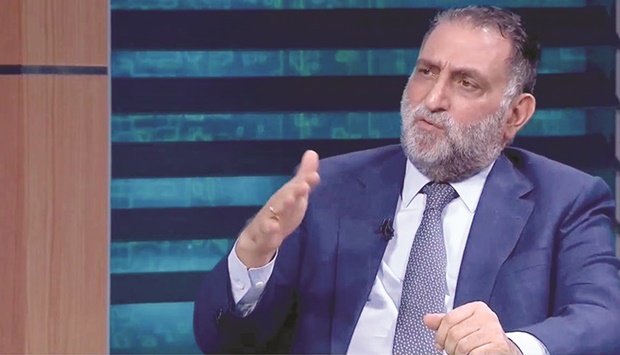
Wednesday's seminar was attended by HE the Minister of Culture Sheikh Abdulrahman bin Hamad al-Thani, and a group of intellectuals, researchers and writers. Arab scholar Dr Azmi Bishara, director-general of the ACRPS and the media department, was the main speaker at the event moderated by media personality Amal Arab.
Dr Bishara said that the issue of identity is marred by some confusion due to the popularity of the term in daily life, media, literature and social sciences to the extent that it is difficult to determine the identity of the term identity. He noted that the term identity began to be used in philosophy, but it was included in daily use in the modern era. It has also become a term in the social sciences.
"There is a difference between the source of the identity question philosophically, and the issue of identity as we understand it in social reality. This is the closest to the problems raised by disciplines such as social psychology, sociology and cultural anthropology. They are intertwined disciplines when it comes to the question of identity."
Dr Bishara said that the origin of the Arabic identity term dates back to the attempts of the Arabs in the third century to find a translation of Greek philosophical terms related to the existence of beings. He pointed out that the individual human being is not necessarily classified into identity groups, in contrast to his classification as a human being.
"When defining his humanity, a person feels a sense of belonging to his family. This is not just a category to be classified into. He also feels that he belongs to other intimate groups with whom he feels familiar. This feeling of belonging and the need for it becomes a part of his personality to the point of projecting it onto large groups of people he does not know and whom he has never met in his life.
The Director of the Arab Center for Research and Policy Studies also referred to the issue of the individual's self and social identity. He said that it is a modern issue that arose with the emergence of the individual who is able to think of his continuous “Self” despite the transformations and changes in the course of his life. He explained that the issue of identity arises from thinking about oneself and the problem of the relationship between the self and the group. Then he asked questions about it and about the possibility of a collective self, other than the individual self.
He continued, "The change of identity as belonging to a group is not the result of free will only, but the main factors remain the changing social data. The affiliations with existing groups in which a person is born and belongs emotionally and contributes to the formation of his personality, taste, values and others. This does not end with the presence of other rational individuals with whom he communicates on different levels, such as the personal relationship of kinship, friendship, fellowship and others. Then the relationship of common belonging to a group without a personal relationship, so that the picture is drawn and expectations are formed based on this common affiliation or the so-called collective identity. But all of these can change and be modified, if the group exhausts its function in relation to the individual. Or if the collective identity is poor in content, and there is nothing left of it but to emphasize the superiority vis-à-vis the other, then it becomes sectarian and without content. Or in a state of conflict between the group to which it belongs and other groups. Or with the emergence of a new political system in the state that emphasises the national or religious identity, or works to favour one group over another, or tries to guarantee loyalty to the regime based on clan or sectarian relations.
He said that the modern era has witnessed a revolution in the setups for forming and installing identities due to the awareness of individuals about themselves, and their ability to move and choose a profession etc. Also because of the growing role of the state, public education, the means of communication and the folklore industry. He point to the existence of identity theories at the level of different disciplines, the most important of which indicates the existence of a human cognitive tendency to classify people into groups.
Dr Azmi Bishara added that modern man possesses two basic identities; an individual self-identity, which is summarized by man’s definition of himself and the qualities he chooses in order to consider them essential in defining himself. Together with a social identity in the sense of man’s definition of himself as belonging to a group or groups. In contemporary societies, it is possible to talk about the social identities of the individual and not a single social identity. At the same time, emphasizing the status of individuals within a group often means accepting the prevailing values and norms in this group.
He said that full compliance with these social norms and expectations leads to repression of the individual’s personality and his ability to judge matters morally and rationally. Hence his ability to develop himself creatively, especially in the face of traditions that stifle his judgement faculties.
In conclusion, he stressed that the people who have a civilized personality, with rich components, who are open to development and change and are confident in their roots in the collective identity of individuals are not afraid of interaction with other cultures and civilizations.
Dr Bishara said that the issue of identity is marred by some confusion due to the popularity of the term in daily life, media, literature and social sciences to the extent that it is difficult to determine the identity of the term identity. He noted that the term identity began to be used in philosophy, but it was included in daily use in the modern era. It has also become a term in the social sciences.
"There is a difference between the source of the identity question philosophically, and the issue of identity as we understand it in social reality. This is the closest to the problems raised by disciplines such as social psychology, sociology and cultural anthropology. They are intertwined disciplines when it comes to the question of identity."
Dr Bishara said that the origin of the Arabic identity term dates back to the attempts of the Arabs in the third century to find a translation of Greek philosophical terms related to the existence of beings. He pointed out that the individual human being is not necessarily classified into identity groups, in contrast to his classification as a human being.
"When defining his humanity, a person feels a sense of belonging to his family. This is not just a category to be classified into. He also feels that he belongs to other intimate groups with whom he feels familiar. This feeling of belonging and the need for it becomes a part of his personality to the point of projecting it onto large groups of people he does not know and whom he has never met in his life.
The Director of the Arab Center for Research and Policy Studies also referred to the issue of the individual's self and social identity. He said that it is a modern issue that arose with the emergence of the individual who is able to think of his continuous “Self” despite the transformations and changes in the course of his life. He explained that the issue of identity arises from thinking about oneself and the problem of the relationship between the self and the group. Then he asked questions about it and about the possibility of a collective self, other than the individual self.
He continued, "The change of identity as belonging to a group is not the result of free will only, but the main factors remain the changing social data. The affiliations with existing groups in which a person is born and belongs emotionally and contributes to the formation of his personality, taste, values and others. This does not end with the presence of other rational individuals with whom he communicates on different levels, such as the personal relationship of kinship, friendship, fellowship and others. Then the relationship of common belonging to a group without a personal relationship, so that the picture is drawn and expectations are formed based on this common affiliation or the so-called collective identity. But all of these can change and be modified, if the group exhausts its function in relation to the individual. Or if the collective identity is poor in content, and there is nothing left of it but to emphasize the superiority vis-à-vis the other, then it becomes sectarian and without content. Or in a state of conflict between the group to which it belongs and other groups. Or with the emergence of a new political system in the state that emphasises the national or religious identity, or works to favour one group over another, or tries to guarantee loyalty to the regime based on clan or sectarian relations.
He said that the modern era has witnessed a revolution in the setups for forming and installing identities due to the awareness of individuals about themselves, and their ability to move and choose a profession etc. Also because of the growing role of the state, public education, the means of communication and the folklore industry. He point to the existence of identity theories at the level of different disciplines, the most important of which indicates the existence of a human cognitive tendency to classify people into groups.
Dr Azmi Bishara added that modern man possesses two basic identities; an individual self-identity, which is summarized by man’s definition of himself and the qualities he chooses in order to consider them essential in defining himself. Together with a social identity in the sense of man’s definition of himself as belonging to a group or groups. In contemporary societies, it is possible to talk about the social identities of the individual and not a single social identity. At the same time, emphasizing the status of individuals within a group often means accepting the prevailing values and norms in this group.
He said that full compliance with these social norms and expectations leads to repression of the individual’s personality and his ability to judge matters morally and rationally. Hence his ability to develop himself creatively, especially in the face of traditions that stifle his judgement faculties.
In conclusion, he stressed that the people who have a civilized personality, with rich components, who are open to development and change and are confident in their roots in the collective identity of individuals are not afraid of interaction with other cultures and civilizations.