


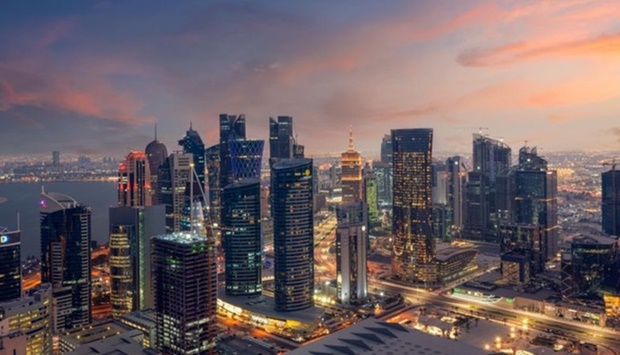
The International Monetary Fund (IMF) expects real GDP growth in Qatar to accelerate to 3.2% in 2022, noting that the North Field LNG expansion project will support growth prospects and further strengthen fiscal and external positions over the medium-term.
The report of the 2022 Article IV consultation, which was held between the State of Qatar and the IMF from February 13 to March 1, praised the Qatari authorities swift and decisive response to the Covid-19 crisis, which dampened its health and economic impact and paved the way for a speedy recovery.
The IMF report underlined that the economic recovery in Qatar is gaining strength on the back of rebounding domestic demand, higher hydrocarbon prices, and the preparation for the 2022 FIFA World Cup, adding that the banking sector remains well-capitalised and liquid, with non-performing loans (NPLs) at relatively low levels.
The report noted that Qatar has made commendable progress in advancing structural reforms during the pandemic.
It became the first GCC country to abolish Kafala with a mandatory minimum wage and allowances for food and housing.
In addition, various reforms have been introduced to boost foreign and private investment and improve productivity and competitiveness.
The IMF report also pointed to the fact that the recently launched National Environment and Climate Change Strategy envisages a 25% reduction of trend greenhouse gas emissions by 2030.
The strong reform momentum should continue to improve productivity and inclusiveness, further enhance the business environment and attract private investment, and embrace new global trends, such as digitalisation and green growth, for more diversified and stronger growth in the long term, as well as to address climate challenges, the report said.
The report of the 2022 Article IV consultation, which was held between the State of Qatar and the IMF from February 13 to March 1, praised the Qatari authorities swift and decisive response to the Covid-19 crisis, which dampened its health and economic impact and paved the way for a speedy recovery.
The IMF report underlined that the economic recovery in Qatar is gaining strength on the back of rebounding domestic demand, higher hydrocarbon prices, and the preparation for the 2022 FIFA World Cup, adding that the banking sector remains well-capitalised and liquid, with non-performing loans (NPLs) at relatively low levels.
The report noted that Qatar has made commendable progress in advancing structural reforms during the pandemic.
It became the first GCC country to abolish Kafala with a mandatory minimum wage and allowances for food and housing.
In addition, various reforms have been introduced to boost foreign and private investment and improve productivity and competitiveness.
The IMF report also pointed to the fact that the recently launched National Environment and Climate Change Strategy envisages a 25% reduction of trend greenhouse gas emissions by 2030.
The strong reform momentum should continue to improve productivity and inclusiveness, further enhance the business environment and attract private investment, and embrace new global trends, such as digitalisation and green growth, for more diversified and stronger growth in the long term, as well as to address climate challenges, the report said.