


* Bags to be distributed to 200 families to sort food waste
* Major national efforts helping achieve food security, increased self-sufficiency rates: official
* 127% self-sufficiency in fresh poultry production, 106% in fresh milk and 45% in table eggs
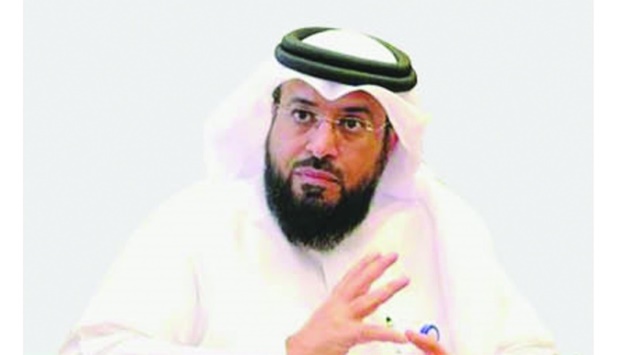
Bags will be distributed to 200 families in the first phase of a study to sort food waste, measure the types of foods that are wasted, and develop plans based on the results to curb this phenomenon, director of the Food Security Department at the Ministry of Municipality Dr Masoud Jarallah al-Marri has said.
The study is currently under preparation to measure the degree of food waste and find appropriate solutions to reduce it, he said on the sidelines of the Islamic Organisation for food Security Strategic Commodities and Food Safety Forumon Monday.
He also informed that Qatar has achieved 127% self-sufficiency in fresh poultry production, 106% in fresh milk and 45% in table eggs. He expected this percentage to rise to 65% by the end of this year, in addition to reaching 100% in the production of vegetables during the winter and also achieving a production rate of 100% in fish and dates and 21% percent in the production of red meat, with the target being 30%.
Dr al-Marri affirmed that Qatar's organisation of the Islamic Organisation for Food Security (IOFS) Strategic Commodities and Food Safety Forum reflects the wise leadership's keenness to provide food and economic security for the country, and highlights the implications of the national strategy that it has set to achieve this goal.
In exclusive statements to Qatar News Agency on the sidelines of the forum yesterday, Dr al-Marri said Qatar's effective food security strategy, and its success in overcoming many challenges, led it to occupy an advanced position in the Global food Security Index (GFSI) - first place in the Arab region and 24th globally.
He noted that Qatar is keen to achieve more progress in the GFSI, rising to higher ranks and achieving more conditions that allow it to further progress in the index, mainly represented in reducing food waste and harvest losses and other relevant matters. He explained that the country can respond to these issues to improve its international classification in the GFSI.
Reading the control of agricultural losses, Dr al-Marri revealed that the Ministry of Municipality is working to improve agricultural products after harvest, reducing wastage of crops by ensuring the best transport conditions from farms to the market and providing more facilities for farmers in transport and storage operations.
He highlighted the need to enhance transparency with agricultural data to provide an information base for farmers to know the foodstuffs available in markets and their prices to be used in determining the types of products they grow to make the right decision in this field.
He indicated that the State is keen to achieve a balance in agricultural production during the winter and summer seasons to avoid the production gap between them and to maintain the guarantee of supplying the markets with products.
The official stressed the importance of the forum in strengthening the partnership between Qatar and IOFS member states in the field of agricultural production, such as grain. The forum plays an important role in discussing and activating partnerships between Qatar and the organisation's countries, he added.
He revealed a strategy that has been developed to store grains for a period longer than six months and said Qatar is keen to diversify its partnerships in this field. He also noted that "its partnerships with the IOFS countries remain a priority because their benefits are more and they contribute to achieving basic food security for us on the one hand and on the other hand, it helps the OIC countries grow their products."
The study is currently under preparation to measure the degree of food waste and find appropriate solutions to reduce it, he said on the sidelines of the Islamic Organisation for food Security Strategic Commodities and Food Safety Forumon Monday.
He also informed that Qatar has achieved 127% self-sufficiency in fresh poultry production, 106% in fresh milk and 45% in table eggs. He expected this percentage to rise to 65% by the end of this year, in addition to reaching 100% in the production of vegetables during the winter and also achieving a production rate of 100% in fish and dates and 21% percent in the production of red meat, with the target being 30%.
Dr al-Marri affirmed that Qatar's organisation of the Islamic Organisation for Food Security (IOFS) Strategic Commodities and Food Safety Forum reflects the wise leadership's keenness to provide food and economic security for the country, and highlights the implications of the national strategy that it has set to achieve this goal.
In exclusive statements to Qatar News Agency on the sidelines of the forum yesterday, Dr al-Marri said Qatar's effective food security strategy, and its success in overcoming many challenges, led it to occupy an advanced position in the Global food Security Index (GFSI) - first place in the Arab region and 24th globally.
He noted that Qatar is keen to achieve more progress in the GFSI, rising to higher ranks and achieving more conditions that allow it to further progress in the index, mainly represented in reducing food waste and harvest losses and other relevant matters. He explained that the country can respond to these issues to improve its international classification in the GFSI.
Reading the control of agricultural losses, Dr al-Marri revealed that the Ministry of Municipality is working to improve agricultural products after harvest, reducing wastage of crops by ensuring the best transport conditions from farms to the market and providing more facilities for farmers in transport and storage operations.
He highlighted the need to enhance transparency with agricultural data to provide an information base for farmers to know the foodstuffs available in markets and their prices to be used in determining the types of products they grow to make the right decision in this field.
He indicated that the State is keen to achieve a balance in agricultural production during the winter and summer seasons to avoid the production gap between them and to maintain the guarantee of supplying the markets with products.
The official stressed the importance of the forum in strengthening the partnership between Qatar and IOFS member states in the field of agricultural production, such as grain. The forum plays an important role in discussing and activating partnerships between Qatar and the organisation's countries, he added.
He revealed a strategy that has been developed to store grains for a period longer than six months and said Qatar is keen to diversify its partnerships in this field. He also noted that "its partnerships with the IOFS countries remain a priority because their benefits are more and they contribute to achieving basic food security for us on the one hand and on the other hand, it helps the OIC countries grow their products."