


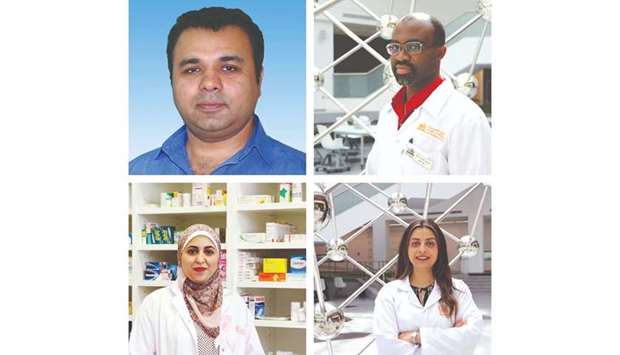
It is estimated that up to 10% of total deaths in Qatar happen due to diabetes, a faculty member from Qatar University's College of Pharmacy said on Sunday on the occasion of World Diabetes Day.
“More than 17% population of Qatar is known to have diabetes," pointed out associate professor Dr Hassaan Anwer Rathore.
"If the body weight suddenly starts increasing or a steep loss in weight is observed with increased frequency of urination without any recent life style changes then get yourself checked for this disease,” he suggested.
“Early detection will slow down and prevent a patient from several complications like retinopathy (damaged retina of eye), myocardial infarction (heart attack), acute kidney injury (damage of kidneys), atherosclerosis (hardening of blood vessels) and hypertension (increased blood pressure),” Dr. Rathore added.
Clinical lecturer Dr Muna al-Ismail said diabetes care is predicated on multidisciplinary approach that requires the involvement of healthcare providers, patient education, and self-management.
"Patients living with diabetes should be well educated about their treatment plan including the effectiveness and side effects of their medications. Adherence to prescribed anti-diabetic medications is one of the main contributing factors for optimal glycemic control and for preventing diabetes-related complications such as heart attack, stroke, kidney damage, blindness, and limbs amputation.
“On the occasion of 2021 World Diabetes Day, my message to all patients living with diabetes and individuals at risk of diabetes is that the government of Qatar provides unrestricted access to the care of patients with diabetes and those at risk. Ensure access to care from any primary healthcare to tertiary healthcare facilities. The control of diabetes through medication adherence, monitoring blood glucose, lifestyle modifications including dietary control, and self-care, are fundamental to preventing the complications and increasing longevity.”
Myriam ElJaam, teaching assistant, Department of Clinical Pharmacy and Practice, pointed out the International Diabetes Federation statistics that one in eleven adults have diabetes. Diabetes is a condition whereby the pancreas is either unable to produce a sufficient amount of insulin (type 1 diabetes) or the body cells are not responsive to the available insulin (type 2 diabetes).
"Insulin is an important hormone that acts as a “key” to allow the blood glucose to enter the cells for energy production. Lack of insulin or inability of cells to respond results in high levels of glucose in the blood (hyperglycemia) which is an indicator for diabetes.
"Diabetes - especially type 2 which is the most common - can be prevented by making mindful decisions about the body. This includes following a healthy diet, avoiding smoking, and engaging in regular physical exercise. Consistent hyperglycemia can lead to life-threatening diseases including cardiovascular diseases, nerve damage, and progressive loss of eyesight. These consequent diseases can be prevented through controlling the blood sugar using appropriate medications.”
Dr Yaw Boahene Owusu, assistant professor, Department of Clinical Pharmacy and Practice, said: “In newly diagnosed individuals with type 2 diabetes, it is important to raise awareness about the prevention and delay of the onset of diabetes complications because diabetes is one of the major causes of disability worldwide.
"The uncontrolled blood glucose in people with diabetes over time causes damage to large and small blood vessels, as well as nerves leading to problems with the heart, eyes, kidneys, legs, and gums. Diabetes is a leading cause of: chronic kidney disease requiring expensive dialysis or kidney transplant; blindness in adults who are 20-74 years; heart attack, stroke, and death from heart disease, and amputation of the legs usually below the knee.
"However, the complications of diabetes can be prevented or delayed by keeping blood glucose level, cholesterol and blood pressure at the acceptable range, eating healthy diet, regular physical activity, avoiding smoking cigarettes or shisha, and maintaining a healthy weight.”
"If the body weight suddenly starts increasing or a steep loss in weight is observed with increased frequency of urination without any recent life style changes then get yourself checked for this disease,” he suggested.
“Early detection will slow down and prevent a patient from several complications like retinopathy (damaged retina of eye), myocardial infarction (heart attack), acute kidney injury (damage of kidneys), atherosclerosis (hardening of blood vessels) and hypertension (increased blood pressure),” Dr. Rathore added.
Clinical lecturer Dr Muna al-Ismail said diabetes care is predicated on multidisciplinary approach that requires the involvement of healthcare providers, patient education, and self-management.
"Patients living with diabetes should be well educated about their treatment plan including the effectiveness and side effects of their medications. Adherence to prescribed anti-diabetic medications is one of the main contributing factors for optimal glycemic control and for preventing diabetes-related complications such as heart attack, stroke, kidney damage, blindness, and limbs amputation.
“On the occasion of 2021 World Diabetes Day, my message to all patients living with diabetes and individuals at risk of diabetes is that the government of Qatar provides unrestricted access to the care of patients with diabetes and those at risk. Ensure access to care from any primary healthcare to tertiary healthcare facilities. The control of diabetes through medication adherence, monitoring blood glucose, lifestyle modifications including dietary control, and self-care, are fundamental to preventing the complications and increasing longevity.”
Myriam ElJaam, teaching assistant, Department of Clinical Pharmacy and Practice, pointed out the International Diabetes Federation statistics that one in eleven adults have diabetes. Diabetes is a condition whereby the pancreas is either unable to produce a sufficient amount of insulin (type 1 diabetes) or the body cells are not responsive to the available insulin (type 2 diabetes).
"Insulin is an important hormone that acts as a “key” to allow the blood glucose to enter the cells for energy production. Lack of insulin or inability of cells to respond results in high levels of glucose in the blood (hyperglycemia) which is an indicator for diabetes.
"Diabetes - especially type 2 which is the most common - can be prevented by making mindful decisions about the body. This includes following a healthy diet, avoiding smoking, and engaging in regular physical exercise. Consistent hyperglycemia can lead to life-threatening diseases including cardiovascular diseases, nerve damage, and progressive loss of eyesight. These consequent diseases can be prevented through controlling the blood sugar using appropriate medications.”
Dr Yaw Boahene Owusu, assistant professor, Department of Clinical Pharmacy and Practice, said: “In newly diagnosed individuals with type 2 diabetes, it is important to raise awareness about the prevention and delay of the onset of diabetes complications because diabetes is one of the major causes of disability worldwide.
"The uncontrolled blood glucose in people with diabetes over time causes damage to large and small blood vessels, as well as nerves leading to problems with the heart, eyes, kidneys, legs, and gums. Diabetes is a leading cause of: chronic kidney disease requiring expensive dialysis or kidney transplant; blindness in adults who are 20-74 years; heart attack, stroke, and death from heart disease, and amputation of the legs usually below the knee.
"However, the complications of diabetes can be prevented or delayed by keeping blood glucose level, cholesterol and blood pressure at the acceptable range, eating healthy diet, regular physical activity, avoiding smoking cigarettes or shisha, and maintaining a healthy weight.”