


India’s central bank surprised markets by suspending its version of quantitative easing, signalling the start of tapering pandemic-era stimulus measures as an economic recovery takes hold.
There’s no need for further bond-buying, Reserve Bank of India Governor Shaktikanta Das said in an online broadcast yesterday, while stressing the step is not a reversal of its accommodative policy stance. The RBI will be ready to resume purchases if needed, he said.
Bonds were mixed. The yield on the benchmark 10-year bond climbed 4 basis points after Das announced discontinuing the Government Securities Acquisition Programme, or GSAP, bucking market expectations for only trimming the size of its asset purchases from Rs2.2tn ($29.3bn) in the previous two quarters.
Shorter-maturity debt was little changed after the RBI didn’t raise the reverse repurchase rate - a tool used to drain excess funds from lenders - as expected by some traders. Stocks climbed after the six-member Monetary Policy Committee also decided to keep the benchmark repurchase rate at a record low 4%, as predicted by all 34 economists in a Bloomberg survey. The panel voted 5-1 to retain the accommodative stance, Das said.
“When the shore is so close, we don’t want to rock the boat because we realise there is a life, there is a journey beyond the shore,” Das said on balancing liquidity to ensure broader financial stability. “We don’t want surprises, it will be calibrated, it will be an approach of gradualism.”
Friday’s decision, however, represents a surprise for the market that was expecting Das to only scale back bond purchases, while supporting the economy’s durable recovery from the pandemic-induced shock. Surplus funds in the banking system is near Rs9tn, and presents an upside risk to inflation, which has been above the RBI’s 4% medium-term target for most of this year.
The RBI will gradually scale up its cash withdrawals to Rs6tn via the 14-day reverse repo and even withdraw cash from the banking system for 28 days if needed, Das said.
“The absence of GSAP has impacted markets negatively, especially at the longer end of the curve,” said Anand Nevatia, fund manager at Trust Mutual Fund. “Inflationary expectations could lead to under-performance of longer maturity bonds.”
Inflation driven by supply shocks and soaring energy costs is nudging central banks across the world to consider dialling back stimulus, with even the US Federal Reserve starting to talk about removing accommodation. Fed Chair Jerome Powell last month said that tapering could begin as soon as November and end by mid-2022.
“We don’t imitate what another central bank is doing,” Das said, noting that domestic circumstances determine the policy settings. “At the moment GSAP is not necessary.”
Das also cut the inflation forecast to 5.3% for the current financial year from 5.7% previously. He has repeatedly maintained that inflationary pressures were transitory and the economy needed support from all sides to recover from the pandemic shock.
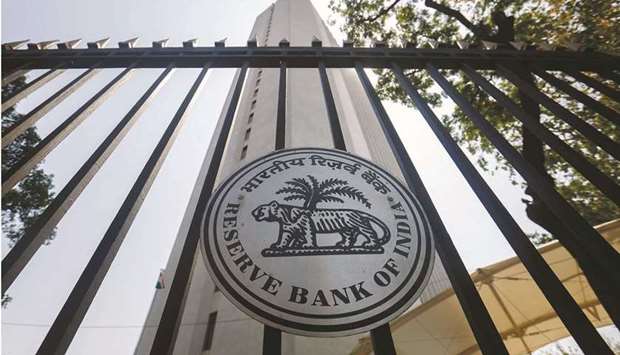
The Reserve Bank of India headquarters in Mumbai. India’s central bank surprised markets by suspending its version of quantitative easing, signalling the start of tapering pandemic-era stimulus measures as an economic recovery takes hold.