


In support of World Alzheimer’s Month, marked annually in September, Hamad Medical Corporation (HMC), along with Alzheimer’s Disease International (ADI), the global federation of over 100 Alzheimer’s and dementia associations across the world, including the HMC, is encouraging everyone to *Know Dementia, Know Alzheimer’s.
The ability to recognise the warning signs of dementia and to seek out information, advice and support can potentially lead to a timely diagnosis and early intervention to help people living with Alzheimer’s disease.
Receiving a diagnosis of dementia can be a challenging and difficult process and varies greatly around the world.
ADI chief executive Paola Barbarino said: “Knowing the warning signs and symptoms of dementia enables people to seek out more information, advice and support, potentially leading to a diagnosis. Knowing these signs is even more important now than ever.”
“Forecasts estimate that dementia cases will rise from 55mn to 78mn by 2030, with costs rising to $2.8tn annually,” she said. “We urge the World Health Organisation (WHO), governments and research institutions across the globe to prioritise and fund research and to establish resources in this space, to avoid being further overwhelmed by the oncoming pandemic of dementia.”
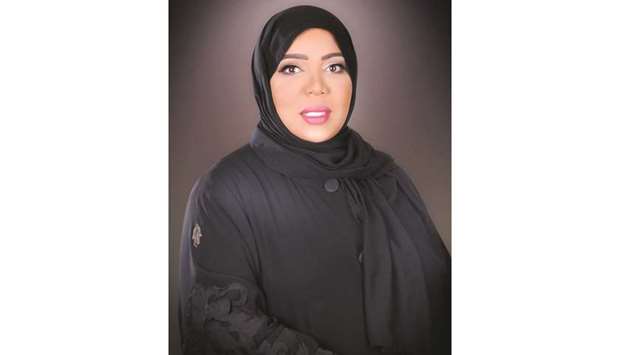
Dr Hanadi al-Hamad, Qatar’s National Lead for Healthy Ageing and the National Dementia Plan, said that although awareness of dementia is increasing around the world, knowledge of specific conditions such as Alzheimer’s and other disease that cause dementia, remains low.
She has been a strong advocate of promoting public and professional awareness to support patients living with Alzheimer’s, their families, and communities.
“With Qatar’s Ministry of Public Health recognising the notion that dementia is a public health priority, we were tasked to develop the Qatar National Dementia Plan 2018-2022, designed to improve the lives of persons with dementia and those who care for them and their family members, and reduce the impact of dementia on them, and on society in general,” said Dr al-Hamad. “Promoting public awareness about the signs and symptoms of dementia, encouraging the adoption of healthier lifestyle that reduce the risk of dementia, and providing targeted training for different healthcare professionals are key to achieving the National Dementia Plan goals.”
Emerging research is showing that the neurological impact of the coronavirus (Covid-19) disease on the brain can increase both a person’s likelihood of developing dementia, and the rate that dementia-related pathological changes develop in the brain.
The ADI has established a working group of leading dementia researchers to conduct and monitor research into this emergent field.
“We need people to be aware of the possible link between long-Covid and dementia, so they know to self-monitor for symptoms and catch it in its tracks,” Barbarino noted. “We are calling on the WHO and governments to urgently fast track research into this concerning area.”
She said that knowing the warning signs of dementia and knowing more about the link between Covid-19 and dementia is essential to building a global plan and national responses.
Past pandemics have shown the value in knowing the link between novel infectious diseases and progressive neurological disorders.
“Globally healthcare systems are already unprepared for the forecast increases in dementia cases, prior to this new Covid-19 related risk,” the ADI official said. “We need only to look at previous pandemics to see the vital importance of research and preparedness.”
“Dementia is not going away. We need to act now to be prepared for any additional pressure following the Covid-19 pandemic,” Barbarino stressed.