


Doha, which is expected to achieve herd immunity by September, would see its economy getting back to normal by the fourth quarter of 2021 and the fiscal stimulus to mitigate the Covid-19 risks had set the ball rolling, according to a top official of the Qatar Financial Centre (QFC).
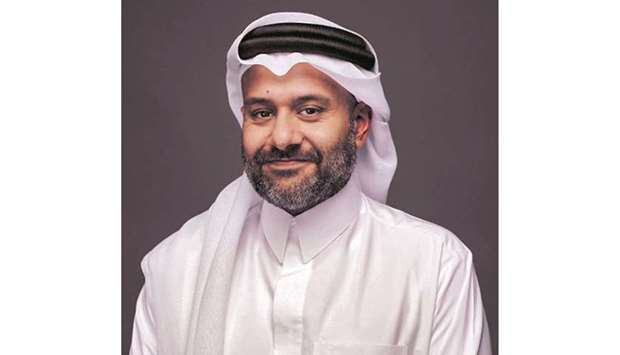
Expecting strong post-Covid growth environment globally, QFC Authority chief executive Yousuf Mohamed al-Jaida yesterday told the Qatar Economic Forum, powered by Bloomberg, that definitely there is a strong case for weak dollar, ultralow interest rates, lack of inflation in emerging economies and strong probability of dovish monetary policy in the foreseeable future.
In the case of Qatar, he said the country has seen 60% of the populations have had their one dose of vaccination and at 25,000 jabs per day, "we are looking at herd immunity by September."
Recently, Dr Abdullatif al-Khal, chair of the National Strategic Group on Covid-19 and head of the Infectious Diseases Division at Hamad Medical Corporation, had said "we are on our way to winning the battle against the Covid-19 with 60% of the population vaccinated with one dose and 46% with two doses."
Addressing one of the industry roundtables, al-Jaida said Qatar has been swift enough to unveil the fiscal stimulus package, which helped the economy back in track.
Qatar had extended a QR75bn stimulus package (10% of GDP or gross domestic product), which includes a zero-cost QR50bn repo facility for banks to provide credit extensions, of both principal and interest to borrowers affected by the pandemic.
As part of the stimulus, Qatar Development Bank (QDB) also launched a QR3bn national guarantee programme that provides guarantees at subsidised rates to local banks against loans extended to SMEs affected by the pandemic.
The QFC official said the country's moves to expand the liquefied natural gas or LNG production capacity would once again put Qatar at the forefront of being the largest natural gas exporter.
In early February this year, Qatar Petroleum (QP) announced its investment decision on the $29bn expansion of its North Field, which will allow QP to expand its production capacity.
As per a recent Bank of America report, the planned expansion to LNG capacity should boost activity through boosting hydrocarbon real GDP growth over 2025-27; and, boosting non-hydrocarbon real GDP growth through higher investments over 2022-2027.
The combined LNG expansion plans would stand at $43bn, representing a large 24% of 2021 GDP and 73% of gross capital formation, the report had said.
Expecting strong post-Covid growth environment globally, QFC Authority chief executive Yousuf Mohamed al-Jaida yesterday told the Qatar Economic Forum, powered by Bloomberg, that definitely there is a strong case for weak dollar, ultralow interest rates, lack of inflation in emerging economies and strong probability of dovish monetary policy in the foreseeable future.
In the case of Qatar, he said the country has seen 60% of the populations have had their one dose of vaccination and at 25,000 jabs per day, "we are looking at herd immunity by September."
Recently, Dr Abdullatif al-Khal, chair of the National Strategic Group on Covid-19 and head of the Infectious Diseases Division at Hamad Medical Corporation, had said "we are on our way to winning the battle against the Covid-19 with 60% of the population vaccinated with one dose and 46% with two doses."
Addressing one of the industry roundtables, al-Jaida said Qatar has been swift enough to unveil the fiscal stimulus package, which helped the economy back in track.
Qatar had extended a QR75bn stimulus package (10% of GDP or gross domestic product), which includes a zero-cost QR50bn repo facility for banks to provide credit extensions, of both principal and interest to borrowers affected by the pandemic.
As part of the stimulus, Qatar Development Bank (QDB) also launched a QR3bn national guarantee programme that provides guarantees at subsidised rates to local banks against loans extended to SMEs affected by the pandemic.
The QFC official said the country's moves to expand the liquefied natural gas or LNG production capacity would once again put Qatar at the forefront of being the largest natural gas exporter.
In early February this year, Qatar Petroleum (QP) announced its investment decision on the $29bn expansion of its North Field, which will allow QP to expand its production capacity.
As per a recent Bank of America report, the planned expansion to LNG capacity should boost activity through boosting hydrocarbon real GDP growth over 2025-27; and, boosting non-hydrocarbon real GDP growth through higher investments over 2022-2027.
The combined LNG expansion plans would stand at $43bn, representing a large 24% of 2021 GDP and 73% of gross capital formation, the report had said.