


Reuters/London
The cash-strapped government is considering further cuts to its welfare bill, media reported yesterday, with a coalition source confirming an idea to scrap the link between inflation and rises in benefits payments had been floated by ministers.

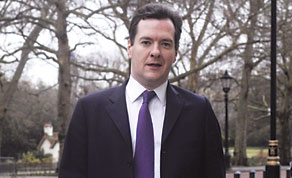
Osborne: contemplating new cuts
The coalition government, struggling to deliver its austerity plan because of a return to recession, will spend £207bn on “social protection” this year - nearly a third of all spending and by far the biggest item on its budget.
The BBC reported Finance Minister George Osborne and Work and Pensions Secretary Iain Duncan Smith - both on the Conservative side of the coalition - could freeze benefits payments for two years and peg future rises to average earnings.
“It’s been floated, but by no means in any detail,” a source from the Liberal Democrat junior coalition partners said.
The move could play well with core Conservative voters, ahead of an election in 2015 which is expected to be another close call. It would not be so warmly welcomed by the roughly 6mn people of working age claiming welfare in Britain.
One government official described the idea as “speculative” and said it was not safe to assume that any change was afoot.
Possible measures are often aired ahead of government decisions to see how they play out with the public.
Osborne will deliver the latest economic forecasts and any changes in policy in his autumn statement on December 5.
The coalition government has only just changed the measure of inflation it uses to uprate benefits payments, switching to consumer price inflation from retail price inflation in an effort to make big savings.
While inflation has outstripped average earnings increases in recent years, consumer inflation has now started to fall, as expected - easing to 2.5% in August.
Earnings, however, rose by 1.6% on a year ago in the three months to June.
“Uprating of benefits will be considered by Chancellor of the Exchequer Osborne as usual later this year,” Duncan Smith’s government department said.
Osborne, under pressure to deliver economic growth and austerity at the same time, is said to want to find a further £10bn in welfare cuts to minimise the impact on other areas of government spending after the 2015 election.
He had hoped to achieve his austerity targets by the time of that election but a weak economy has already seen the plan extended by two years.