


Coinciding with Ramadan, professors from the Qatar University (QU) College of Sharia and Islamic studies shared their opinions about the holy month, more pertinently, on how to prepare for it and its importance in the Islamic community.
Prof Noureddine Khadmi, unit head, Research at College of Sharia and Islamic Studies said, “Ramadan is month of Qu'ran in which we recite, teach and act upon it. In this month, we Muslims should understand Qu'ran and Ramadan.”
Dr Sultan al-Hashmi, assistant professor of Fiqh of Transactions at College of Sharia and Islamic Studies said, “Pray in this Ramadan considering it as your last Ramadan and you will not waste the opportunity and pray with your best intentions. Life is unpredictable, we should pray as much as we can in Ramadan.”
Dr Mohamed al-Majali, associate dean for Research & Graduate Studies at College of Sharia and Islamic Studies, said: “The world is temporary, we should pray and ask for forgiveness from Allah. We should communicate with our Creator in the month of Ramadan to cleanse our souls; in this way, we purify our souls in the holy month of Ramadan. Good deeds are multiplied in this month, we should practice Islam as much as we can in this month.”
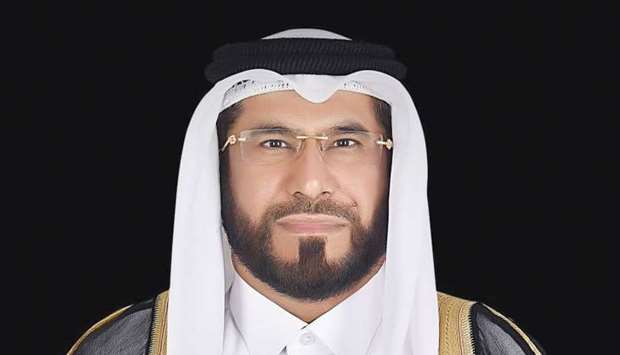
Saeed al-Marri, assistant professor, Sunna and Hadith Sciences at College of Sharia and Islamic Studies, said this month is known for patience, generosity, determination, forgiveness and a night which is better than thousand nights.
Ramadan is the most precious month in the Islamic calendar (Hijri) and it is obligatory for the Muslim to fast in the month of Ramadan. Allah has made fasting Ramadan and spending its nights in prayer out of faith and in the hope of reward a means of forgiving of sins. Fasting in Ramadan is equivalent to fasting ten months. Fasting in Ramadan is a means of expiation for the sins committed since the previous Ramadan, so long as one avoids major sins.