


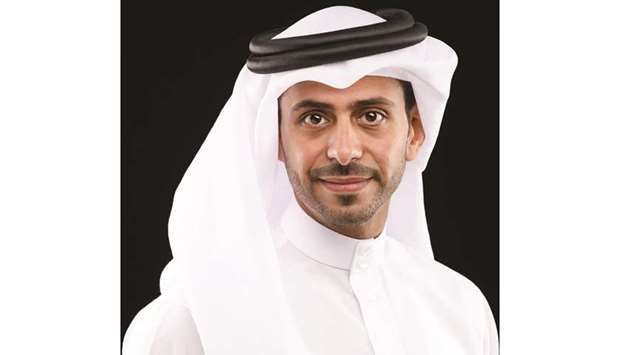
Hassad Food Company chief executive Engineer Mohamed Badr al-Sada has said that the National Day, celebrated on December 18 in commemoration of the founding of the State of Qatar by Sheikh Jassim bin Mohamed bin Thani, is a valuable opportunity for all members of society to learn the history of Qatar, and celebrate the memory of the founder, as well as allowing people to express feelings of love, pride, gratitude and pride in the Qatari national identity.
In an interview with the Qatar News Agency (QNA), in which al-Sada spoke on a variety of issues, the Hassad Food Company chief executive said that food security is a key component of Qatar national Vision 2030.
As part of its strategy towards this goal, he said that the Hassad Food Company has expanded its investment portfolio, which included the doubling local production in key food sectors, and financing the development of central markets to form integrated marketing platforms.
The Hassad Food Company has also established a number of local companies, and acquired shares in major international food companies with the aim of supporting the needs of the local market and contributing towards achieving food security for Qatar.
On the matter of the coronavirus pandemic, al-Sada said that the Hassad Food Company and its subsidiary companies have co-ordinated continuously with the authorities to take all necessary preventative measures and protocols at all facilities, farms and factories affiliated with Hassad Company, to ensure the preservation of the health and safety of employees and society as a whole, and to ensure the effective flow of the production process and avoid shortage of the basic products that the company provides to the local market.
In terms of the company's international investments, he said that the Hassad Food Company has developed its investment strategy and acquired shares in major international food companies, such as Sunrise Foods International, the world’s largest organic grains and oilseeds company, which is owned by the Turkish Tiryaki Agro Foods Industry Company, as well as investing in Oman’s fish sector through the Global Marine Production Company.
Al-Sada said that the latter investment is in addition to the company's other investments in Oman, such as in the Asaffa Foods Company, the largest poultry project in Oman, which aims to become one of the region’s largest poultry producers.
In 2018, the Hassad Food Company reorganised its strategy for agricultural investments in Australia, so that its investments were transferred to the portfolio of Macquarie Infrastructure and Real Asset (MIRA) agricultural company.
Al-Sada said that this move achieved the company's objective to expand into the Australian agricultural sector, allowing for a larger and more diversified investment portfolio.
The Hassad Food Company owns a percentage of shares in the Arab Company for Livestock Development (ACLD), which aims to develop and promote livestock and related industries in Arab countries, having started about 38 projects and a number of successful subsidiaries since it was established.
In addition to its main activity in the field of investment in the local and international food sector, the Hassad Food Company chief executive said that the company plays a major role in crisis management.
Al-Sada said that from the first day of the regional blockade by Qatar’s neighbours, the company has provided huge numbers and quantities of basic products to the local market through daily air shipments, in addition to sea shipments, as well as the opening of new land-sea lines from Turkey and Azerbaijan.
He said that the Hassad Food Company took this responsibility seriously, with its work team immediately co-ordinating with more than 10 countries, ensuring the first shipments of key food products reaching the shops and the central market on June 6, 2017.
With regard to local investments, al-Sada said that the Hassad Food Company financed the development of the central markets (Al Sailiya, Al Wakrah, and Umm Salal) and the establishment of a market company to manage food establishments, helping to develop integrated marketing platforms.
The company financed the development of central markets at a cost of QR400mn, of which QR100mn was invested in the new automated slaughterhouse in Al Wakrah Central Market.
Al-Sada noted that the central markets are air-conditioned, ensuring the quality of products is preserved during the daily auctions and in showrooms, in addition to providing a suitable environment for consumers to shop.
With regard to marketing agricultural products, the Hassad Food Company chief executive said that the company launched in 2018 Mahaseel for Marketing and Agricultural Services as one of its subsidiaries, to support local farmers in marketing their production, with the aim of increasing the volume and quality of local production and easing the burden of marketing on farmers.
The Mahaseel Company is currently marketing 30 varieties of local vegetables, through 44 outlets for major consumer complexes in the country, and it is reported that more than 200 local farms are currently registered with the company.
In the poultry sector, the Hassad Food Company has also developed production operations through the Arab Qatari Company for Poultry Production – Al Waha; the Hassad Food Company owns 46% of Al Waha and supervises its operations.
Al-Sada said that for the post-blockade period, the Hassad Food Company had drawn up a plan to develop operations and increase production in Al Waha Company, divided into two phases.
It has completed the first phase, which led to an increase in the local production of chilled poultry from 7mn to 10mn chickens annually, and increased the production of eggs to 110mn, from 55mn previously.
With the completion of the first phase, the company has also been able to meet 70% of the local market's needs for chilled poultry, and 40% of the needs for eggs.
Al Waha is currently working on the second phase, which will include a noticeable increase in poultry production.
In the field of feed sector, al-Sada said that the Hassad Food Company has invested about QR100mn in the local feed sector, through Aalaf Qatar (one of its subsidiaries), which it established in 2017 following the blockade on Qatar, with the aim of supporting the local livestock sector.
The Hassad Food Company also announced its intention to invest QR200mn in the fodder production sector over the next three years, to produce 25,000 tonnes per year of green fodder.
Al-Sada noted that Aalaf Qatar is currently producing the basic products needed by the local market in the company's farms in Arkiyah, Al-Sailiya, and Al-Riffa; it produced more than 8,500 tonnes in 2019, and seeks to produce 10,000 tonnes during the current year.
In addition, the company supplied more than 100,000 tonnes of primary feed materials (barley, soy and corn gluten), which currently meets about 30% of the local market’s needs.
In addition to providing 8,000 tonnes of feed supplements and imported green fodder in 2019, he said that the company will supply 200,000 tonnes of primary feed materials during the current year, with the aim of covering more than 50% of the local market's needs.
With regard to the dates sector, al-Sada noted that Hassad Food Company owns the largest dates factory in the country, producing approximately 3,500 tonnes annually.
The Hassad Food Company chief executive also highlighted the company's keenness to support research and development efforts, citing its co-operation with some institutions in 2019 to launch an experimental greenhouse to provide water and increase local agricultural production, in one of its greenhouses in Al Shahaniya.
As part of its strategy towards this goal, he said that the Hassad Food Company has expanded its investment portfolio, which included the doubling local production in key food sectors, and financing the development of central markets to form integrated marketing platforms.
The Hassad Food Company has also established a number of local companies, and acquired shares in major international food companies with the aim of supporting the needs of the local market and contributing towards achieving food security for Qatar.
On the matter of the coronavirus pandemic, al-Sada said that the Hassad Food Company and its subsidiary companies have co-ordinated continuously with the authorities to take all necessary preventative measures and protocols at all facilities, farms and factories affiliated with Hassad Company, to ensure the preservation of the health and safety of employees and society as a whole, and to ensure the effective flow of the production process and avoid shortage of the basic products that the company provides to the local market.
In terms of the company's international investments, he said that the Hassad Food Company has developed its investment strategy and acquired shares in major international food companies, such as Sunrise Foods International, the world’s largest organic grains and oilseeds company, which is owned by the Turkish Tiryaki Agro Foods Industry Company, as well as investing in Oman’s fish sector through the Global Marine Production Company.
Al-Sada said that the latter investment is in addition to the company's other investments in Oman, such as in the Asaffa Foods Company, the largest poultry project in Oman, which aims to become one of the region’s largest poultry producers.
In 2018, the Hassad Food Company reorganised its strategy for agricultural investments in Australia, so that its investments were transferred to the portfolio of Macquarie Infrastructure and Real Asset (MIRA) agricultural company.
Al-Sada said that this move achieved the company's objective to expand into the Australian agricultural sector, allowing for a larger and more diversified investment portfolio.
The Hassad Food Company owns a percentage of shares in the Arab Company for Livestock Development (ACLD), which aims to develop and promote livestock and related industries in Arab countries, having started about 38 projects and a number of successful subsidiaries since it was established.
In addition to its main activity in the field of investment in the local and international food sector, the Hassad Food Company chief executive said that the company plays a major role in crisis management.
Al-Sada said that from the first day of the regional blockade by Qatar’s neighbours, the company has provided huge numbers and quantities of basic products to the local market through daily air shipments, in addition to sea shipments, as well as the opening of new land-sea lines from Turkey and Azerbaijan.
He said that the Hassad Food Company took this responsibility seriously, with its work team immediately co-ordinating with more than 10 countries, ensuring the first shipments of key food products reaching the shops and the central market on June 6, 2017.
With regard to local investments, al-Sada said that the Hassad Food Company financed the development of the central markets (Al Sailiya, Al Wakrah, and Umm Salal) and the establishment of a market company to manage food establishments, helping to develop integrated marketing platforms.
The company financed the development of central markets at a cost of QR400mn, of which QR100mn was invested in the new automated slaughterhouse in Al Wakrah Central Market.
Al-Sada noted that the central markets are air-conditioned, ensuring the quality of products is preserved during the daily auctions and in showrooms, in addition to providing a suitable environment for consumers to shop.
With regard to marketing agricultural products, the Hassad Food Company chief executive said that the company launched in 2018 Mahaseel for Marketing and Agricultural Services as one of its subsidiaries, to support local farmers in marketing their production, with the aim of increasing the volume and quality of local production and easing the burden of marketing on farmers.
The Mahaseel Company is currently marketing 30 varieties of local vegetables, through 44 outlets for major consumer complexes in the country, and it is reported that more than 200 local farms are currently registered with the company.
In the poultry sector, the Hassad Food Company has also developed production operations through the Arab Qatari Company for Poultry Production – Al Waha; the Hassad Food Company owns 46% of Al Waha and supervises its operations.
Al-Sada said that for the post-blockade period, the Hassad Food Company had drawn up a plan to develop operations and increase production in Al Waha Company, divided into two phases.
It has completed the first phase, which led to an increase in the local production of chilled poultry from 7mn to 10mn chickens annually, and increased the production of eggs to 110mn, from 55mn previously.
With the completion of the first phase, the company has also been able to meet 70% of the local market's needs for chilled poultry, and 40% of the needs for eggs.
Al Waha is currently working on the second phase, which will include a noticeable increase in poultry production.
In the field of feed sector, al-Sada said that the Hassad Food Company has invested about QR100mn in the local feed sector, through Aalaf Qatar (one of its subsidiaries), which it established in 2017 following the blockade on Qatar, with the aim of supporting the local livestock sector.
The Hassad Food Company also announced its intention to invest QR200mn in the fodder production sector over the next three years, to produce 25,000 tonnes per year of green fodder.
Al-Sada noted that Aalaf Qatar is currently producing the basic products needed by the local market in the company's farms in Arkiyah, Al-Sailiya, and Al-Riffa; it produced more than 8,500 tonnes in 2019, and seeks to produce 10,000 tonnes during the current year.
In addition, the company supplied more than 100,000 tonnes of primary feed materials (barley, soy and corn gluten), which currently meets about 30% of the local market’s needs.
In addition to providing 8,000 tonnes of feed supplements and imported green fodder in 2019, he said that the company will supply 200,000 tonnes of primary feed materials during the current year, with the aim of covering more than 50% of the local market's needs.
With regard to the dates sector, al-Sada noted that Hassad Food Company owns the largest dates factory in the country, producing approximately 3,500 tonnes annually.
The Hassad Food Company chief executive also highlighted the company's keenness to support research and development efforts, citing its co-operation with some institutions in 2019 to launch an experimental greenhouse to provide water and increase local agricultural production, in one of its greenhouses in Al Shahaniya.