


Indian stocks rose after a volatile session, as investors weighed corporate earnings that beat expectations against rising coronavirus infections.
The S&P BSE Sensex climbed 0.5% to 38,050.78 points after dropping as much as 0.4%. The NSE Nifty 50 Index swung in a similar range and closed up 0.6%.
While the aggregate net income of 47 Nifty 50 members slumped about 40% in the quarter ended June from a year ago, about two-thirds of the companies met or exceeded estimates, data compiled by Bloomberg show.
The data includes HDFC Life Insurance Co and excludes Vedanta Ltd
“Margin rise was the key surprise driver” for the earnings amid cost savings, analysts led by Mahesh Nandurkar at Jefferies Financial Group Inc wrote in a note.
Vedanta, Coal India Ltd, Oil & Natural Gas Corp and Zee Entertainment Enterprises Ltd have yet to report. No announcements are expected today.
Foreign investor flows into Indian equities have reached $3.6bn so far in August, the highest in Asia excluding China, as funds pile into additional share sales.
The South Asian nation’s firms have sold $8.9bn worth of new stock year-to-date, the most on record for such a period, according to data compiled by Bloomberg.
India’s death toll from Covid-19 is the fourth highest globally. Total confirmed coronavirus cases of 2.6mn are the third-largest in the world, while 1.86mn have recovered from the disease.
The yield on the most-traded 5.79% 2030 bond rose two basis point to 5.98%, while the rupee was little changed at 74.8850 per dollar.
Sixteen of 19 sector sub-indexes compiled by BSE Ltd rose, led by a gauge of power companies
NTPC Ltd contributed the most to the Sensex’s advance, rising 7.9%, and was also the biggest gainer.
State Bank of India declined the most, falling 1.7%.
Meanwhile India’s rupee has been shielded from the headwind it typically faces in August, thanks to the robust foreign inflows into share sales by the nation’s marquee lenders.
ICICI Bank Ltd, Axis Bank Ltd and mortgage lender HDFC Ltd have raised a combined Rs35,000 crore ($4.7bn) this month.
Founders of Bandhan Bank Ltd, India’s most profitable lender, sold Rs10,600 crore of shares to investors including BlackRock Inc. Together with smaller offerings from companies including Info Edge (India) Ltd, stocks inflow in August reached $3.5bn, the highest in Asia ex-China.
The fundraising and a weak dollar have meant the rupee is stable this year in August, versus an average decline of about 2.5% in the month over the past decade.
A seasonal pattern has seen the currency weaken this month in six of the past 10 years, though analysts aren’t able to put a finger to the exact cause.
“Rupee has been trading within a narrow range so far this month, with a weaker US dollar helping to offset the seasonal rupee weakness,” said Khoon Goh, head of Asia research at Australia and New Zealand Banking Group in Singapore. Strong equity inflows during the month are also helping the rupee’s cause, he said.
The currency still remains in the lower rungs of the Asian pack as the Reserve Bank of India continues to soak up dollars. The nation’s foreign exchange reserves are at an all-time high of $538bn, largely due to the RBI’s dogged purchases of the greenback.
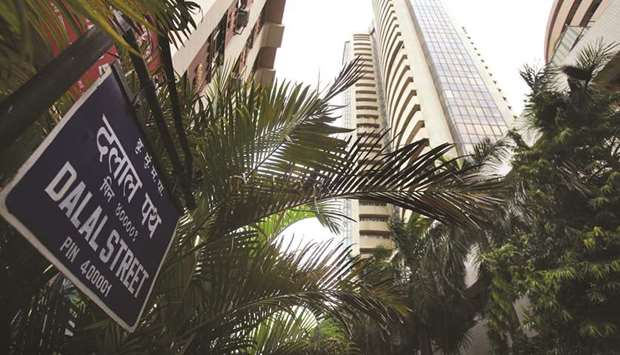
The Bombay Stock Exchange building in Mumbai. The Sensex climbed 0.5% to 38,050.78 points yesterday after dropping as much as 0.4%.