Pakistan has begun manufacturing oxygenators that 80% of Covid-19 patients require as part of their initial treatment, along with making ventilators using indigenous technology, Minister for Science and Technology Fawad Chaudhry said.
He described oxygenators as “a simpler form of ventilators that help Covid-19 patients who have difficult breathing”.
The Pakistan Engineering Council has also received 53 ventilator designs, of which it has shortlisted 13.
Seven of these designs have been approved and are in the last stage of licensing following European Union benchmarks.
“In six to seven months, Pakistan will not just have sufficient ventilators to meet local demand, but will be in a position to export these lifesaving machines,” he said.
Chaudhry said that this moment of crisis has made it clear that the role of scientific research and development has been undermined in Pakistan in the last decade.
He said Pakistan is the only country in the world to cut funding for research and development after 2007 from 0.67% of GDP to 0.24%.
Cities in the country ran short of hand sanitiser, disinfectant and masks immediately after the first two cases of the coronavirus were detected in Pakistan, between February 26 and March 5, the minister said.
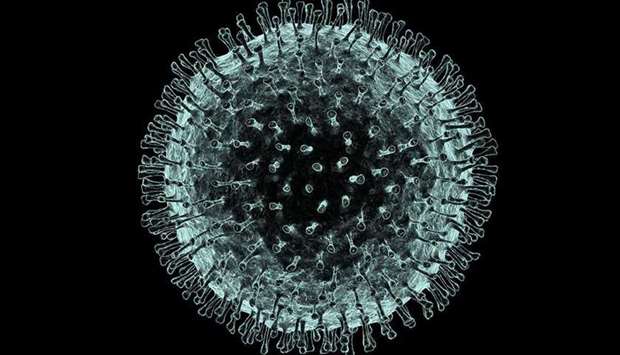
The Covid-19 respiratory disease is caused by the coronavirus.
“That is when we realised that we do not produce such basic items and were importing them. Since Pakistan is a major exporter of raw ethanol, an important ingredient in sanitisers and sprays, the Pakistan Council for Scientific and Industrial Research (PCSIR) was tasked to produce sanitisers and disinfectant sprays.
“In two months, Pakistan is not just self-sufficient but is in a position to export these products,” he said.
The PCSIR now has the capacity to produce 1,000 litres of sanitiser a day, which is available at utility stores, Ziaur Rehman from the PCSIR said.
The School of Biomedical and Engineering and Sciences and the Attaur Rehman School of Applied Biosciences, both constituent colleges of the National University of Science and Technology (Nust), has begun work on eye protection shields, personal protection equipment (PPE) and Covid-19 testing equipment according to World Health Organisation (WHO) standards.
“After China came under pressure during the pandemic, it hit us, like most countries, that we should manufacture these items locally and become self-reliant,” Minister Chaudhry said. “Private companies were asked to manufacture PPE kits locally. Now we are also self-sufficient by manufacturing these products indigenously.”
He said that the Nust is in the final stages of introducing Covid-19 test kits, which would be available in the market within a week.
The Drug Regulatory Authority of Pakistan (DRAP) has analysed results from clinical trials of the kits and is in the last stages of approval.
Pharmaceutical companies have also expressed an interest in manufacturing these kits, he said.
Chaudhry said that local engineers in major cities have also assisted the ministry of science and technology in making 163 ventilators operational again.
“In several private and public hospitals, staff were unable to operate more than 300 ventilators.
“These engineers passed on knowledge to these hospital staff members, who are now learning how to operate these lifesaving machines,” he said.
In response to a question, Chaudhry said that Pakistan is already exporting cotton masks to European countries.
He gave the example of a Faisalabad-based textile company that has orders for $8-$10m worth of cotton masks.