


Worldwide solidarity has to be ensured in the fight against the novel coronavirus, urged Emergency NGO president Rossella Miccio, one of the expert speakers in a special online edition of Qatar Foundation’s Education City Speaker Series, held in collaboration with the World Innovation Summit for Health.
Emergency NGO teams are working on the frontline in northern Italy, helping communities hardest hit by Covid-19, the disease caused by the coronavirus.
Based in Lombardy, the epicentre of the crisis in Italy, Emergency NGO was called into action to aid the country’s fight.
“The crisis was really a surprise for Italy, and an initial underestimation led to a lot of setbacks that continue to have a negative impact on the country’s healthcare system,” Miccio said.
She also expressed concerns over how the virus may affect countries with less developed, more fragile healthcare systems.
“Not only do we need to ensure that we do whatever we can to contain this in our own countries, we also need to ensure worldwide solidarity in order to fight the virus together,” she said. “We cannot leave anyone behind.
“The virus doesn’t discriminate, and neither can we. This is a time when people from different walks of life must come together, whether they are scientists, politicians, or NGOs, to share their knowledge and experience and build a new perspective for us all.
“Platforms like the Education City Speaker Series are welcome and much-needed at a time like this.”
Miccio explained that the economic consequences of the outbreak have been particularly harmful to the most vulnerable members of society.
To help combat this, Emergency NGO set up a system in early March to deliver necessities like food and medicine to the elderly and the at-risk population in the city of Milan.
In addition to running this programme through a network of nearly 300 volunteers, it also created a new project to support reception centres and shelters taking care of migrants, refugees, unaccompanied minors, and the homeless.
“Respecting rules and guidelines becomes difficult, posing a threat to the entire city’s health, particularly when it comes to such vulnerable groups,” said Miccio.
“You’re asked to stay at home, but what if you don’t have a home? You need to call a doctor if you experience symptoms, but what if you don’t have a doctor?
“To help rectify this, we worked with the municipality in Milan to survey shelters and reception centres that help approximately 3,000 people.
“And to keep up with the daily rise in cases, Emergency NGO also supported regional healthcare authorities to develop a new healthcare facility in the city of Bergamo,” she added.
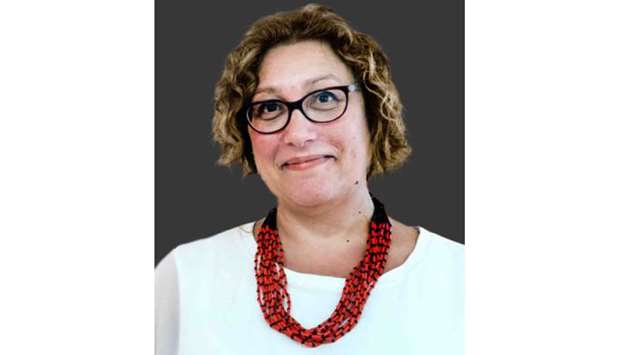
Miccio: Platforms like the Education City Speaker Series are welcome and much-needed at a time like this.