


*Food security index: Qatar maintains first rank in Arab world, climbs to 13th globally
* Strategic projects launched last year result in significant achievements
* Strategic projects launched last year result in significant achievements
Qatar maintained its first position in the Arab world in the Global Food Security Index for 2019 and jumped nine spots to 13th globally, the official Qatar News Agency (QNA) reported Wednesday.
The latest edition of the index was issued in December 2019, comprising three sub-indices - a consumer's ability to afford food, food availability, and food safety and quality. Qatar was ranked 22nd globally in 2018.
In 2018, the State launched strategic projects to support food security and had "great achievements in this regard", the report noted.
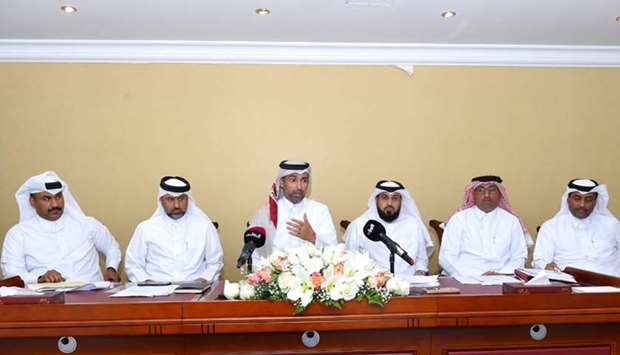
This was highlighted Wednesday during a press conference in which Sheikh Dr Falih bin Nasser al-Thani, Assistant Undersecretary for Agriculture and Fisheries Affairs at the Ministry of Municipality and Environment (MME), and a number of officials engaged in the sector spoke about the outcome of the implementation of the National Strategic Plan for Food Security in the State for 2019.
With the ministry's strategy aiming to achieve food security, a "large production boom" has been witnessed in terms of vegetables, livestock and fish during the recent period. This, in turn, has contributed to Qatar occupying an advanced position in the field of food security, the report states.
The production of local vegetables increased from some 55,000 tonnes in 2017, covering about 20% of the local consumption, to around 74,000 tonnes at present, raising the percentage of self-sufficiency in local vegetables to 27%.
The production of dates in the country grew from about 28,000 tonnes in 2017, accounting for about 84% in terms of self-sufficiency, to some 29,500 tonnes in the same period, helping raise the self-sufficiency percentage to 86%. Similarly, the production of green fodder in 2017 was about 95,000 tonnes with a self-sufficiency rate of 44%, rising to around 115,000 tonnes in the same period and representing a self-sufficiency rate in excess of 54%.
Significant strides were also made towards achieving food security in the livestock sector in the said period. Dairy production increased from about 60,000 tonnes in 2017, with a self-sufficiency rate of only 28%, to about 230,000 tonnes at present, accounting for a self-sufficiency rate of more than 106%.
Further, Qatar has been able to achieve a significant boom in the production of chicken. Production of chickens grew from about 11,000 tonnes in 2017, representing about 50% of the domestic consumption, to approximately 28,000 tonnes annually in the given period, covering more than 124% of the Qatari market's consumption.
With regard to eggs, the production grew from about 4,000 tonnes in 2017, representing about 14% of the domestic consumption, to around 9,000 tonnes per year, covering more than 28% of consumption in the Qatari market. Also, the production of red meat increased from some 8,000 tonnes in 2017, representing about 13% of the domestic consumption, to reach about 10,000 tonnes, with a self-sufficiency rate of around 18%.
The latest edition of the index was issued in December 2019, comprising three sub-indices - a consumer's ability to afford food, food availability, and food safety and quality. Qatar was ranked 22nd globally in 2018.
In 2018, the State launched strategic projects to support food security and had "great achievements in this regard", the report noted.
This was highlighted Wednesday during a press conference in which Sheikh Dr Falih bin Nasser al-Thani, Assistant Undersecretary for Agriculture and Fisheries Affairs at the Ministry of Municipality and Environment (MME), and a number of officials engaged in the sector spoke about the outcome of the implementation of the National Strategic Plan for Food Security in the State for 2019.
With the ministry's strategy aiming to achieve food security, a "large production boom" has been witnessed in terms of vegetables, livestock and fish during the recent period. This, in turn, has contributed to Qatar occupying an advanced position in the field of food security, the report states.
The production of local vegetables increased from some 55,000 tonnes in 2017, covering about 20% of the local consumption, to around 74,000 tonnes at present, raising the percentage of self-sufficiency in local vegetables to 27%.
The production of dates in the country grew from about 28,000 tonnes in 2017, accounting for about 84% in terms of self-sufficiency, to some 29,500 tonnes in the same period, helping raise the self-sufficiency percentage to 86%. Similarly, the production of green fodder in 2017 was about 95,000 tonnes with a self-sufficiency rate of 44%, rising to around 115,000 tonnes in the same period and representing a self-sufficiency rate in excess of 54%.
Significant strides were also made towards achieving food security in the livestock sector in the said period. Dairy production increased from about 60,000 tonnes in 2017, with a self-sufficiency rate of only 28%, to about 230,000 tonnes at present, accounting for a self-sufficiency rate of more than 106%.
Further, Qatar has been able to achieve a significant boom in the production of chicken. Production of chickens grew from about 11,000 tonnes in 2017, representing about 50% of the domestic consumption, to approximately 28,000 tonnes annually in the given period, covering more than 124% of the Qatari market's consumption.
With regard to eggs, the production grew from about 4,000 tonnes in 2017, representing about 14% of the domestic consumption, to around 9,000 tonnes per year, covering more than 28% of consumption in the Qatari market. Also, the production of red meat increased from some 8,000 tonnes in 2017, representing about 13% of the domestic consumption, to reach about 10,000 tonnes, with a self-sufficiency rate of around 18%.