


Andre de Ruyter, the incoming head of South Africa’s debt-burdened state power utility, engaged in questionable stock sales while working as a senior executive at Sasol Ltd in 2013, according to a forensic audit report.
De Ruyter, who was Sasol’s senior group executive for global chemicals and North American operations, together with then-chief financial officer, Christine Ramon, knew about cost overruns at a chemical project and sold the company’s stock before that information was disclosed to other executives, says the report, a copy of which was seen by Bloomberg News. The report formed part of a risk and corporate governance assessment commissioned by the petrochemical conglomerate and undertaken by Werksmans Attorneys, a corporate law firm.
Both executives deny wrongdoing, saying they obtained the necessary authorisation to sell stock and weren’t aware of the Werksmans report. Sasol confirmed that the sales were authorised. The report said, however, that had the information about the overruns been more widely known, approval would not have been given.
“It would appear that the information Mr. Andre de Ruyter and Ms. Christine Ramon had at their disposal was price-sensitive information when they traded their shares,’’ the report found, citing as evidence email communication between the executives and people working on the project over several months. Most of the emails were between De Ruyter and other employees; Ramon was copied on some of them.
De Ruyter left Sasol in October 2013, before the report was submitted, following a career that spanned more than two decades, to become chief executive officer of Nampak Ltd, a packaging company. He is set to take the helm at Eskom Holdings SOC Ltd by mid-January. Ramon left a month earlier and took up her current role, as CFO of AngloGold Ashanti Ltd, the world’s third-biggest gold producer, in July 2014.
Eskom supplies about 95% of South Africa’s power and is struggling to turn itself around after years of mismanagement and alleged graft that have driven it to the brink of insolvency and saddled the company with about $31bn in debt. As the nation’s biggest state-owned enterprise, the utility is key to maintaining financial and economic stability, and its inability to supply consistent power has hindered the economy.
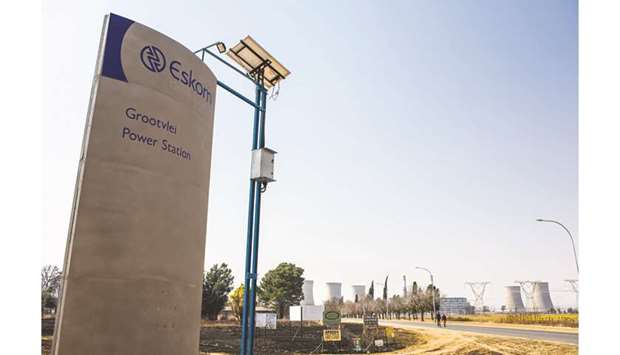
Eskom supplies about 95% of South Africa’s power and is struggling to turn itself around after years of mismanagement and alleged graft that have driven it to the brink of insolvency and saddled the company with about $31bn in debt