


Sidra Medicine has shared several camping safety tips for parents with the beginning of the camping season, according to a statement.
Dr Usama al-Kanani, attending physician from the Children’s Emergency Department (CED) at Sidra Medicine said: “We have started to see more children coming to our Emergency Department with camping-related injuries either sustained at the camp site or on the motorway while on the journey to or back from camp. The most serious injuries in teenagers are those related to four-wheel bikes, also known as All Terrain Vehicles (ATV).”
“In untrained hands and without safety measures, an ATV can cause serious injuries to the head, extremities, neck or abdomen. We have seen cases of children who were ejected from the bike or with broken bones or internal injuries because the ATV rolled over on to them,” added Dr al-Kanani.
Other common camping related paediatric injuries include: Injuries as a result of children not using a car seat; burns from camp fires or mishandling equipment; foot injuries after stepping on sharp objects like stones or thorns with bare feet; spider, snake or scorpion bites; fractures or sprains as a result of tripping, slipping or falling down; water related injuries through submersion underwater by near drowning or being stung by jellyfish; dehydration due to sun exposure or not drinking enough water and carbon monoxide poisoning.
The Emergency Department at Sidra Medicine has shared some tips for parents:
* Always wear seat belt and ensure children are securely strapped in, ATVs are meant to be driven only by trained children over 12 and not on the motorway, young drivers should be supervised at all times by an adult. Always make sure your child is wearing a helmet as well as long sleeved clothes. Take first aid kits to help manage simple injuries. Pack eye drops and pain killers such as children’s ibuprofen or paracetamol.
* Make sure to drink enough water and avoid
staying in the sun for too long.
* Always keep children at a safe distance from the fire especially when lighting the fire and using flammable liquids.
* An adult, with good swimming skills, should always be present when children are swimming.
* Check the tide reports and wind advisories before heading out camping.
* Always shake out shoes in the morning – not only for sand but scorpions often like to crawl into shoes overnight.
* Keep a mobile phone handy to call 999 in case of an emergency.
Poisonings are also very common during the camping season and can be caused by various types of envenomation or smoke inhalation in poorly ventilated tents. Sidra Medicine has a free national poison helpline through its Qatar Poison Centre– 40031111.
Dr Leena Amine, manager of the Qatar Poison Centre, shared some tips for parents regarding most common poisonings.
If a child is bitten by a snake or stung by a scorpion, seek immediate medical attention. The Qatar Poison Centre will be able to give guidance with some immediate steps before the child is taken to the emergency department or while waiting for an ambulance. Important things to consider are to immobilise the injured limb or body part. Remove shoes and tight clothing from the affected limb.
Do not use a tourniquet or any form of suction trying to suck the venom out. Also, do not apply heat, cold, electricity, or any substances to the bite. If possible, take a picture of the snake or scorpion from a safe distance, or try to remember the colour and shape so you can describe it.
Most jellyfish stings cause minor injury only and can be safely managed on site without emergency care. The Qatar Poison Centre can provide you with the most appropriate first aid instructions.
Carbon monoxide is a colourless, odourless, tasteless gas which can cause severe poisoning and even death. This can happen if charcoal, wood, a gas stove or non-electric heaters, kerosene lamps or shishas are used inside closed tents without proper ventilation. Be aware of suggestive symptoms, including a dull headache, weakness, dizziness, vomiting, nausea, confusion, blurred vision or loss of consciousness.
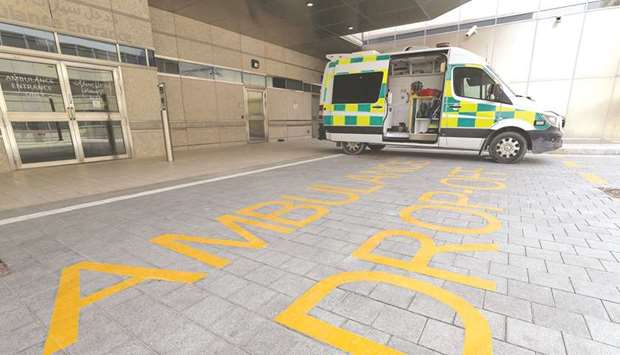
Sidra Medicine has shared camping safety tips for parents.