


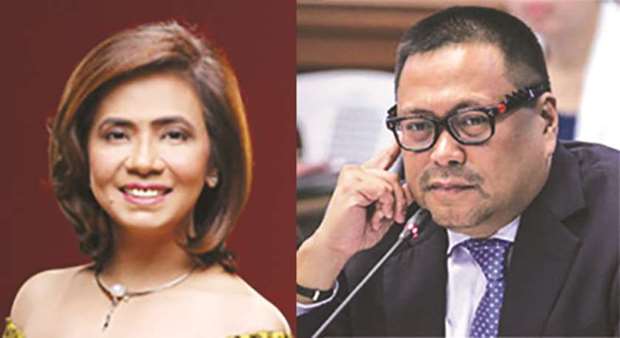
Ejercito and representative Angelina Helen Tan headed the committee.
“I hope that it would be ratified by tomorrow so that it can be transmitted to the President (Rodrigo Duterte) for review and for the president to sign (it into law) before Christmas,” he said. Under the consolidated UHC bill, all Filipinos whether direct or indirect contributors, will be covered.
“If you’re a Filipino, you are covered by health insurance automatically. However, we have two types of members: the ones who contribute, 35%, and the rest, 65%, are subsidised. These are senior citizens, persons with disabilities (PWD) and indigents,” Ejercito said.
“We had a long discussion on this part because we have to subsidise 65% of the population because only 35% are able to pay their premium,” he added.
Senate President Pro Tempore Ralph Recto said the measure provides all Filipinos the “immediate eligibility and access to preventive, curative, rehabilitative and palliative care for medical, dental, mental, and emergency health services, including out-patient drugs by registering them to a primary healthcare provider of their choice.”
If passed into law, Ejercito said the government would need P257bn for the first two years of implementation and another P280bn the following year.
“The needed amounts can be provided by present appropriations for the Department of Health (DoH), the Philippine Charity Sweepstakes Office (PCSO), and Philippine Amusement and Gaming Corp (Pagcor),” he added.
“But for the third year and fourth year (of implementation), we feel that we need supplemental additional sources of fund because there will be an increase in the number of claimants,” Ejercito said.
The UHC bill automatically enrols all Filipinos in the National Health Insurance Programme of PhilHealth, either as direct or indirect contributors; provides all Filipinos immediate eligibility and access to preventive, promotive, curative, rehabilitative and palliative care for medical, dental, mental and emergency health services, including outpatient drugs by registering them to a primary healthcare provider of their choice; gives all Filipinos improved benefit packages that will reduce their out-of-pocket expenses; and improves public health facilities for better health service delivery; and encourages the private sector to become partners in UHC implementation, as well as the entire health system by addressing gaps in facilities, equipment, human resource, among others, and instituting reforms in the system.
Some of the major amendments introduced by Recto, the principal author of the UHC bill in the Senate, provide all Filipinos automatic PhilHealth coverage (no PhilHealth ID card needed); additional benefits for paying members as incentive for increase in premium rate and gradual premium rate increase at 0.5% per year and gradual adjustment of income ceiling by P10,000 per year, phased transition to service delivery networks so as not to disrupt delivery of healthcare services.