


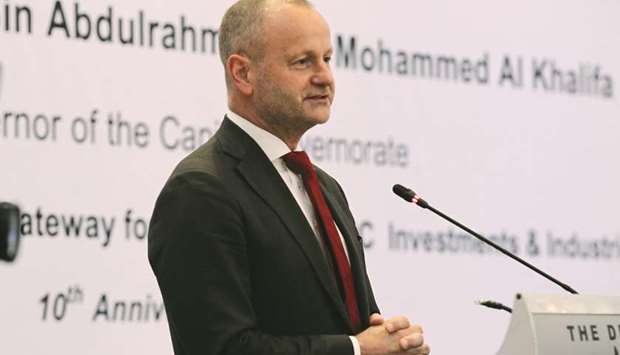
The Gulf Co-operation Council region is making good progress in the creation of revenue separate from the oil-based economy, especially with the introduction of VAT, but ignoring the early signs of a global slowdown could be costly to the region, said Steen Jakobsen (pictured), Saxo Bank chief investment officer.
Jakobsen said, “The recent high oil prices have been positive for the region as it has allowed GCC governments extra time to put in place strong structures for creating more revenue away from the petroleum economy.
Jakobsen outlined his macroeconomic forecast for the GCC region and cautioned that external factors could have a negative impact economically on the region in the next year.
He said the Middle East remains very dependent on global external factors, especially US policy. The potential for rising US interest rates will drive the dollar higher, as well as lead to a higher cost of capital which will also impact the GCC.
Meanwhile, increased political uncertainty surrounding the trade dispute between the US and China, as well as the growing anti-globalisation sentiment is likely to slow the US and global economy as we enter 2019.
“While the geopolitical climate is a significant headwind for regional growth, there are some good economic signals coming out of the GCC region. The introduction of VAT and increasing potential tax revenue from almost zero should be a net positive for the country rating,” said Jakobsen.
He said, “What I have been pleased to see most though is a newfound realism that the region needs to create credible revenue outside the petroleum economy. It’s clear to me that the last oil price crisis did more for structural changes in the region than anything I have seen in my 20-plus years of travelling to the region. The introduction of VAT likewise represents necessary and welcome progress to raise revenue.”
Jakobsen was also positive about the growth of SMEs in the region and said, “The strong support for growing SMEs and reducing the dependency on state-owned enterprises is important structural change that should lead to more competition and stronger growth.
Bank