


The Qatar Biomedical Research Institute (QBRI), one of the research institutes under the Hamad Bin Khalifa University (HBKU), has signed a collaborative research and training agreement with the Harvard Stem Cell Institute (HSCI) in Boston, US.
The five-year initiative includes technical training and research in stem cell biology, which are essential for discovering viable treatments for diabetes.
Recent advances in stem cell research, led by HSCI scientists, are set to help both type 1 and type 2 diabetes patients cope with their condition by producing new insulin-producing cells. Such advances can be extended to address many diseases that have a major impact on society.
In this new collaboration, QBRI scientists will work closely with HSCI researchers to exchange knowledge and best practice, and to accelerate the translation of discoveries into clinical applications. In addition to building scientific capacity in the region, the partnership will support ground-breaking research in stem cell biology. Clinical trials that arise from these endeavours will be conducted in collaboration with QBRI’s major stakeholders, including Hamad Medical Corporation and Sidra Medicine.
“This partnership with HSCI is another step towards our primary goal of conducting research that has tangible, meaningful impact on the wider community. Innovation and entrepreneurial vision are at the core of QBRI’s activities. This partnership with leading stem cell researchers at Harvard is a crucial step in spurring progress towards our strategic vision, to solve some of the critical challenges facing Qatar and the region,” said Dr Omar El Agnaf, acting executive director at QBRI.
HSCI – a network of 1,000 scientists at Harvard University and its eight affiliated hospitals – is a champion of research in stem cell biology and regenerative medicine. It is a powerful partner for realising QBRI’s strategic plan to develop the first cell-therapy programme in the region.
Brock Reeve, executive director of HSCI, said: “Qatar has been proactive in building scientific capacity in the Middle East, and its current focus on stem cell biology shows its commitment to supporting progress in personalised medicine. Partnering with QBRI allows us to share knowledge and expertise efficiently through advanced training, and to conduct meaningful research with a focus on translation.”
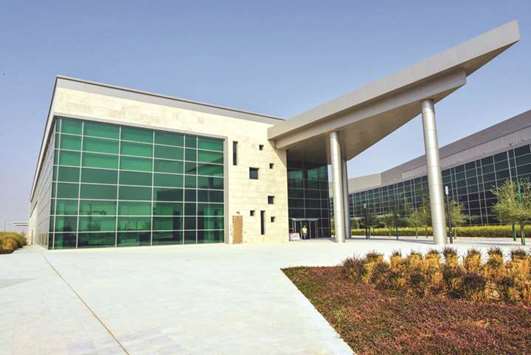
HBKU’s QBRI is housed at the ‘Researchery’ in Education City.