


Ramadan can be one of the most critical times of year for diabetics, according to Manal Musallam, director of Diabetes Education at Hamad Medical Corporation’s (HMC) National Diabetes Centre.
“Diabetes, both Type 1 and Type 2, is a condition that requires careful management, blood sugar control, appropriate diet, and for many patients strict adherence to medication regimes. Ramadan can be a very challenging time of year for diabetics who choose to fast because fasting alters the timings of meals and disturbs sleeping patterns, both of which can affect a person’s metabolic state,” says Musallam.
Patients with diabetes who are able to safely fast are advised to avoid making major changes to their diet during Ramadan. Musallam says it is important that diabetics do not break their fast with a large, excessive meal as there is the risk of post-meal hyperglycemia.
“Meals eaten during Ramadan are often large and contain fried and sugary foods which can have an impact on blood glucose control. Iftar often turns into a celebration for many families. For diabetics, it is important to ensure that Iftar remains a meal and does not become a feast,” said Musallam.
Hyperglycemia can be caused by an increase in food or sugar intake or by an excessive reduction in dosages of diabetes medications. Symptoms of hyperglycemia include a dry mouth, blurred vision, increased thirst, and frequent urination.
Musallam says during Ramadan diabetics should follow the Sunnah of Prophet Muhammad and break their fast with one date and a sip of water, followed by prayer. She says this will help encourage the digestion process and will also help prevent a sudden rise in blood sugar. During Ramadan patients with diabetes are advised to eat as they normally do, with the only difference being the timing of meals rather than the quantity or type of food consumed.
Each year, HMC in collaboration with the Qatar Diabetes Association, operates a diabetes hotline. The phone-based emergency service provides individuals with diabetes, as well as their relatives or caregivers, with medical advice related to diabetes and fasting.
Musallam says many of the calls received are questions about medication adjustments and people trying to find out if it is medically necessary to break their fast.
The HMC and Qatar Diabetes Association Ramadan phone-based emergency service is available seven days a week from 8 pm to 11 pm on 5598 1331.
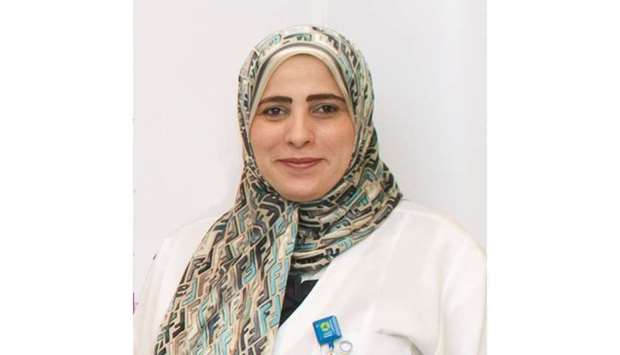
Manal Musallam