


India’s benchmark equity index rose for a ninth straight session, its longest run of gains since 2014, after the weather bureau forecast normal monsoon rains for the year.
The S&P BSE Sensex climbed 0.3% to 34,395.06 in Mumbai after slipping into the red at least thrice during the session. Year to date, it’s up 1%.
Thirteen of 19 sector sub-indexes compiled by BSE advanced, led by a gauge of power companies. Power Grid Corp of India and NTPC were the top performers on the benchmark index. Axis Bank was the biggest decliner.
“Markets are likely to take a breather after this long run of gains as investors will focus on stock-specific earnings,” said Gaurang Shah, head investment strategist at Geojit Financial Services in Mumbai. “The monsoon forecast is positive, and we will keep a close watch on how it progresses through the summer.”
Annual rain between June and September this year is likely to be 97% of the 50-year average, with a margin of error of 5%, the India Meteorological Department said on Monday evening. Rainfall between 96% and 104% of the long-term average is considered normal. India’s southwest monsoon waters more than half of the country’s farmland. Deficient rain in the country, the world’s second-biggest producer of rice, wheat and sugar and top grower of cotton, often leads to lower crop output and higher imports of commodities like wheat, edible oils and sugar.
Meanwhile the rupee yesterday closed at a near seven-month low against US dollar as the country’s trade deficit widened. Also the US Treasury department said that it would be adding India to the list of countries that it considers as potential currency manipulators dampened the sentiment.
The home currency closed at 65.65 against the US dollar, a level last seen on September 27, 2017, down 0.23% from its Monday’s close of 65.49. The rupee opened at 65.46 a dollar and touched a low of 65.69 a dollar.
On Friday, India’s trade deficit came in at $13.7bn in March, climbing from $11.98bn in February and more than the $12.3bn deficit median estimate of 25 economists surveyed by Bloomberg. Exports in March fell 0.7%, while imports rose 7.2% from a year ago.
The rupee is under pressure due to external volatility such as rise in US bond yields, oil prices, geopolitical concerns and a threat of trade war. Slowing inflows into local financial markets and the widening current account deficit have also weakened the sentiment.
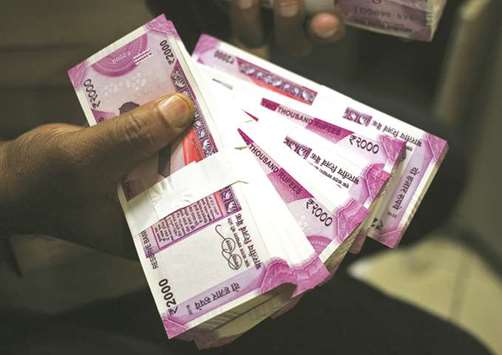
The rupee closed at 65.65 against the US dollar yesterday, a level last seen on September 27, 2017, down 0.23% from its Monday’s close of 65.49