


The Sidra Medicine Child and Adolescent Psychiatry team has undertaken a robust community engagement programme this year to complement its paediatric and adolescent mental health services.
Over the coming months, the Child and Adolescent Psychiatry team will be attending school and community events to raise awareness of mental health topics and ways in which Sidra Medicine experts can help.
These include the 4th Annual Symposium of Community Mental Health Services in Qatar on April 19, the Renaud Academy’s workshop on “Autism: Seeing the Spectrum differently” on April 25, and a joint one-day symposium in collaboration with American School of Doha.
Depression is one of the most common mental health problems among adolescents and begins during early teenage years.
It is a disorder that is triggered by external events, making adolescents especially vulnerable as they are going through hormonal changes as well as increased pressure and expectations associated with adulthood.
By the end of their teen years, 20% of adolescents would have experienced at least one depressive episode.
Depression can manifest through both physical and mental symptoms, including headaches, indigestion, appetite and weight changes, sleeping too much or lack of sleep, anxiety, nervousness, tearfulness, feelings of hopelessness, problems in attention and concentration, losing enjoyment in activities, isolation, and sadness.
Untreated depression can lead to a slew of serious issues, including substance abuse, academic failure, bullying, eating and other disorders, and suicide.
Depression is treatable if patients seek help and Sidra Medicine is committed to ensuring that parents, family members, teachers, school counsellors and others are aware of the signs and treatment options available to them in Qatar.
Dr Ahsan Nazeer, division chief of Child and Adolescent Psychiatry at Sidra Medicine, says that parents should look for changes in their children’s function and behaviour.
These include a drop in school grades, increased incidents of social conflict, withdrawal from the social scene, and patterns of anger and irritability.
He added: “When children know they are being heard, they are more likely to open up. This also gives parents a greater chance to positively intervene and establish the best form of treatment with their healthcare provider.”
“In addition to therapy and medication, complementary life changes, including regular sleep patterns, a healthy diet and exercise, have been shown to improve depressive symptoms,” Dr Nazeer said.
Referrals to Child and Adolescent Psychiatry at Sidra Medicine can be initiated by a school counsellor by completing a Sidra Medicine referral form.
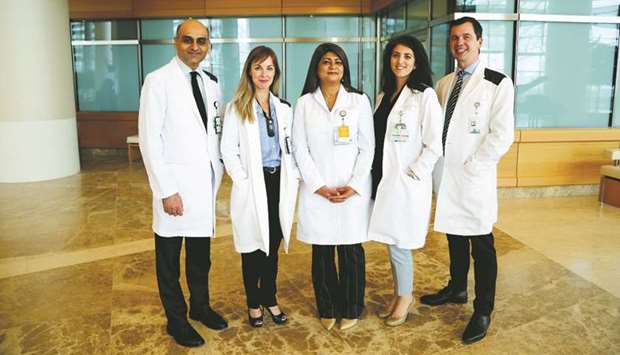
Sidra Medicine Child