


Rising US interest rates, usually bad news for gold, are instead feeding signs of financial stress among debt-laden consumers and helping drive demand for the metal as a haven.
That’s the argument of Sprott Inc, a precious-metals-focused fund manager that oversees $8.8bn in assets. The following four charts lay out the case for why gold could be poised to rise even as the Federal Reserve tightens monetary policy.
Not dead yet: Gold futures have managed to hold on to gains this year, staying above $1,300 an ounce even as the Fed raised borrowing costs in December for a fifth time since 2015 and is expected to do so again next week. The increases followed years of rates near zero that began in 2008. Low rates coupled with the Fed’s bond-buying spree contributed to the precious metal’s advance to a record in 2011. Higher rates typically hurt the appeal of gold because it doesn’t pay interest.
Paper losses: The US posted a $215bn budget deficit in February, the biggest in six years, as revenue declined, Treasury Department data show. That’s boosting the government debt load, fuelling forecasts for higher yields and raising the spectre of paper losses for international investors who own $6.3tn of US debt.
Slowing demand for Treasuries from overseas buyers is contributing to dollar weakness against the currency’s major peers, helping support gold prices, according to Trey Reik, a senior portfolio manager at Sprott’s US unit.
Debt-laden shoppers: The yield on the 10-year US Treasury, which has been in decline for more than three decades, has risen over 40 basis points this year as the Fed raised rates and US debt ballooned to more than $20tn. That has ramifications for American households already struggling to pay down their credit cards and auto loans, dimming the outlook for consumer spending that helped fuel US growth. Those concerns have been widely overlooked by investors but will spur demand for haven assets like gold, Reik said.
“With as much debt as there is in the system, if you have a backup in rates, you’re going to see a default wave pretty quickly,” Reik said in an interview at Bloomberg’s headquarters in New York. “You’re going to have personal bankruptcies flare up. Gold really does well when financial stress starts to take takes hold in the system.”
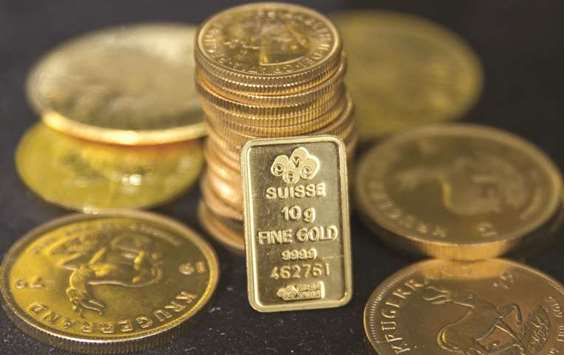
Rising US interest rates, usually bad news for gold, are instead feeding signs of financial stress among debt-laden consumers and helping drive demand for the metal as a haven