


ABN Amro Group’s supervisory board is being probed by the European and Dutch central banks over chairman Olga Zoutendijk’s unexpected move to leave the lender, the country’s finance minister said.
Wopke Hoekstra said the bank, which is controlled by the state almost a decade after its rescue, is going through “a difficult phase.”
The finance minister confirmed Het Financieele Dagblad’s report earlier on Friday that said the European Central Bank and the Netherlands’ DNB were investigating, and said his ministry wouldn’t be involved in the probe.
Zoutendijk’s decision not to take a second term when her chairmanship expires on July 1 was announced on last Tuesday, a move that Hoekstra called “unfortunate.”
A previous report by FD had said Zoutendijk had a tense relationship with former chief executive officer Gerrit Zalm, who last year decided to leave his role earlier than expected. ABN Amro itself said that her management style was a factor in the departure.
Friday’s FD report said the ECB wants to know if the planned departure has eased tensions between the supervisory and executive boards, and has invited several former and current members of the supervisory board to give their views. At least one individual has already gone to Frankfurt for talks with regulators, FD said.
Officials from the ECB, the Dutch central bank and ABN Amro all declined to comment on Friday.
Speaking after the weekly cabinet meeting, Hoekstra told reporters all parties involved feel the “urgency” of picking a new chairman to ensure the bank’s stability, and his ministry has been in talks with ABN’s supervisory board. He said he’s likely to participate personally in the search for Zoutendijk’s successor, which will start next week.
Despite Zoutendijk’s departure, the bank is doing better “in many ways,” and is changing its corporate culture, Hoekstra said, without being more specific. An international giant before the crisis, ABN Amro has shrunk to being the Netherlands’ third-largest lender. It was rescued by the Dutch government in 2009, which later installed Zalm, a former finance minister, to run it. Zalm returned the bank to the stock market in November 2015. The government plans to gradually sell the rest of its stake, which accounts for about half of the lender’s shares. A year ago, ABN Amro announced it would slash 60 out of 100 senior management jobs and reduce the number of top executives by more than a half in a revamp meant to reflect the bank’s shrinking size. This month, the bank said it’s reviewing the overhaul to see if it “had produced the desired effect.”
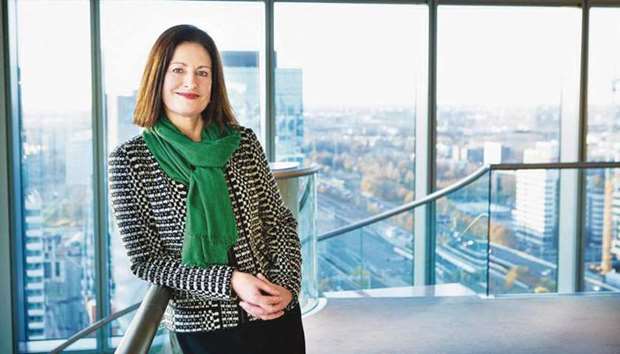
Zoutendijk’s decision not to take a second term when her chairmanship expires on July 1 was announced last Tuesday, a move that Finance MInister Wopke Hoekstra called u201cunfortunate.u201d