


India’s benchmark equity index started 2018 on a rocky note as it slipped off record highs and fell the most in a month led by a decline in automakers. This, after the gauge capped its best annual gains in the past three years.
The S&P BSE Sensex dropped 0.7% to 33,812.75 in Mumbai, the steepest since December 1. The NSE Nifty 50 Index fell 0.9%. January is a mixed month of returns for the Nifty as the broad index has dropped six times in the month in the last ten years. It has retreated an average 1.8% in January in the past decade.
A gauge of volatility for stocks climbed to a two-week high. Thirteen of the 19 sectoral sub-indexes compiled by BSE declined. Tata Consultancy Services and Hindustan Unilever were the worst performers on the Sensex.
“An abysmally low integrated goods and services tax settlement number is the key source of worry for the FY19 fiscal,” Mahesh Nandurkar, analyst with CLSA wrote in a co-authored note last week. The government is now more likely to bridge the shortfall through higher capital gains tax on equities and by increasing the surcharge on wealthy individuals, they said.
Total GST revenue under various heads stood at Rs808.08bn ($12.7bn) for November, the finance ministry said last month. The collections had dipped to Rs833bn in October from about Rs921bn the previous month. An added worry for the financial markets is the government’s plan to borrow an extra Rs500bn via dated securities in the remainder of the financial year ending March 31.
The budget is usually presented to the parliament in February, and next year’s will be the last full financial plan from the current government before general elections in early 2019.
Meanwhile the rupee strengthened for a third session and closed at a five-month high against the US dollar on the first day of 2018 year yesterday.
The home currency ended at 63.68 a dollar—a level last seen on August 8, up 0.33% from its Friday’s close of 63.87. The rupee opened at 63.86 a dollar and touched a high of 63.63.
Most of the global markets are closed due to New Year. In the year 2017, the rupee gained 6.35% and Sensex rose 28%, while foreign institutional investors have bought $7.73bn and $23.27bn in equity and debt, respectively.
The 10-year bond yield closed at 7.336% compared to its previous close of 7.326%. Bond yields and prices move in opposite directions.
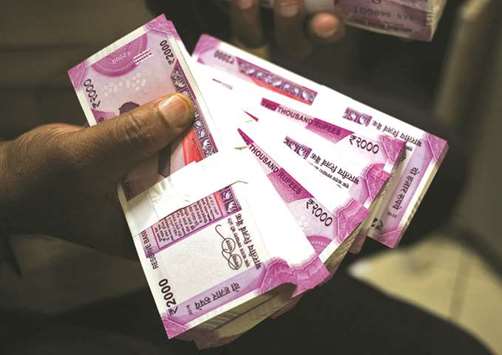
The rupee ended at 63.68 a dollar yesterday, a level last seen on August 8, up 0.33% from its Friday’s close of 63.87