


BHP Billiton’s new chairman marked out a review of the world’s biggest miner’s portfolio and its boardroom skills as among top priorities after taking up the post this month.
Melbourne-based BHP, which last month flagged plans to exit its US shale assets and to delay a move into the potash market, is continuing to debate whether the existing mix of operations fits with long-term strategy, chairman Ken MacKenzie said yesterday in the company’s annual report, making his first public comments in the role.
“One of my priorities is to bring a fresh perspective to the existing review process,” MacKenzie said. BHP also will conduct an assessment of the mix of skills on its board “in light of technological and other changes impacting our industry,” he said. The report disclosed that the board had reviewed succession plans for its top executives over the past year.
MacKenzie, 53, who replaced Jac Nasser, met with more than 100 investors on a global tour in July and August in the wake of an activist campaign led by shareholder Elliott Management Corp.
He takes the reins as the annual report warns that commodity producers face challenges in the near-term, with prices of some products trading above long-term forecasts amid a rise in geopolitical uncertainty and protectionist policies.
“Board refreshment was a topic of discussion during my meetings with shareholders,” he said. Wesfarmers’ outgoing finance director Terry Bowen and ex-BP executive John Mogford will be appointed to BHP’s board from October, taking the number of directors to 10. Between 10 and 12 directors would be appropriate, according to MacKenzie, who said he favours a smaller board.
BHP declined 0.4% to A$26.19 in Sydney trading yesterday, as Rio Tinto Group fell 1.2%.
Growth in China, which accounts for about half of BHP’s revenue, is likely to cool modestly in the 12 months to July and slow further over the long-term as the country’s working age population falls and its capital stock matures, according to BHP. India’s economic reforms promise to spur significant growth, with the nation’s GDP and demand for metals to energy likely to expand more than 7% a year through 2020, it said.
“The pace of change in the world and in BHP’s markets is significant,” Montreal-born MacKenzie said in the report. “A number of factors are contributing to this, including technological advances and greater volatility in the prices of our products. The changing environment in which we operate needs to be taken into account.”
New York-based Elliott, which has engaged since April in a public battle for strategy changes at BHP, has backed MacKenzie’s appointment, and offered partial support for the producer’s plans to sell or demerge its onshore oil and gas operations. The fund, with more than $30bn of assets under management, last month raised its stake in BHP’s London-traded shares to 5%, from a 4.1% interest in April.
BHP will also continue efforts to bolster the producer’s capital allocation framework, introduced by chief executive officer Andrew Mackenzie in 2016, the new chairman said. CEO Mackenzie’s total remuneration rebounded to $4.6mn in the 12 months ended June 30, from $2.2mn a year earlier, when bonuses were cut as a result of the deadly mine waste spill at the Samarco joint venture in Brazil in 2015. Executive pay will be held at existing levels this year, the producer said in its report, with Mackenzie’s annual total target remuneration target set at $7.7mn.
The Australian Federal Police has finalised an investigation related to hospitality packages BHP offered at the 2008 Beijing Summer Olympics and won’t take any further action at this time, according to the report. BHP in 2015 said it would pay $25mn to settle Securities and Exchange Commission claims relating to the issue.
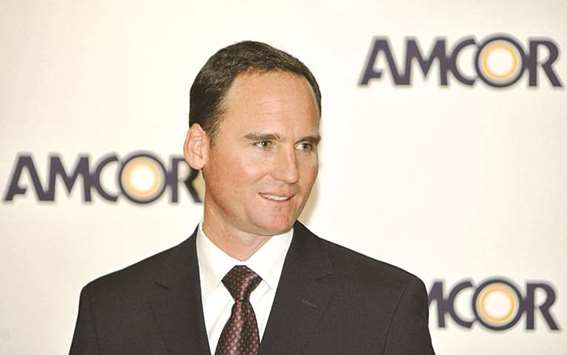
MacKenzie: Long-term strategy.