


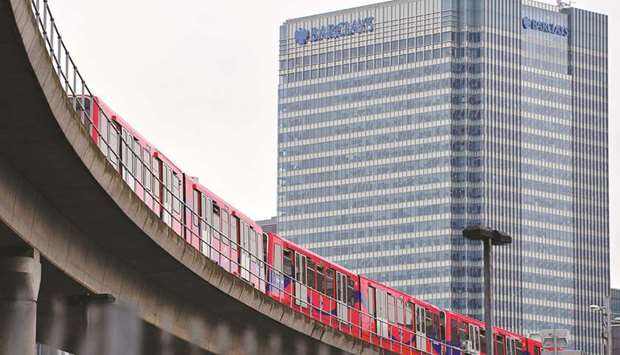
The bank helped sell ¥4.67bn ($42.8mn) of bonds on Friday to finance the development of a solar-power plant in Kyoto prefecture in western Japan, it said in a press release. That comes after Goldman Sachs Group said earlier this year that it is on track to reach its target of arranging $1bn of renewable-energy securities in the nation.
Japan is dwarfed by other major economies when it comes to a formalised market for financing environmentally friendly projects from renewable energy to sustainable agriculture. While definitions vary as to what constitutes a green bond, only three Japanese borrowers have ever issued such securities and none have this year, even as sales globally have surged above $60bn in 2017 led by France and China, according to data compiled by Bloomberg. Japanese authorities have taken note. The nation’s Government Pension Investment Fund said last month that it aims to increase and broaden its socially responsible assets. The Ministry of the Environment issued guidelines for green bonds in March. “Not enough bonds are being offered compared with other countries despite the need for a large amount of private funds,” it said.
While the recent measures alone likely won’t spark a jump in issuance of green or project bonds, they are helping, according to Miho Kurosaki, a Tokyo-based analyst with Bloomberg New Energy Finance.
“Things are starting to change,” Kurosaki said. “While issuance by a Japanese firm would create more of a buzz in the market, the use of such financing tools by any parties in Japan is a positive development.”
The notes arranged by Barclays were sold to investors including insurers and regional banks, according to the press release. The securities were sponsored by Renewable Japan Co, a renewal energy developer.
Barclays Japan President Kentaro Kiso said that the bond is socially significant as it supports the further spread of renewable energy in the country. “Interest in fixed-income projects from Japanese investors will continue to be strong amid the risk of interest rates rising,” Kiso said. Japan’s solar-power generation capacity has by one measure grown seven times between March 2016 and March 2017 to 39.1mn kilowatts, according to the government. The construction of solar plants has taken off since the government moved in July 2012 to oblige the nation’s power companies to buy renewable energy created by other firms.
Some domestic life insurers have increased investment since last year in assets that they think will help them contribute to society, amid government messages that investors should be more socially responsible, according to Naoto Takeuchi, deputy general manager at Dai-ichi Life Holdings.
The insurer has accelerated such investments over the past five years, and bought some of the latest debt arranged by Barclays. “We are hoping that the market for those products will expand,” Takeuchi said.
“One advantage of those securities is that they are less likely to suffer sharp drops at times of high market volatility, partly because many of their buyers are investors who hold bonds to maturity,” said Hiroaki Hayashi, a director and executive officer in Tokyo at Fukokushinrai Life Insurance Co.
Renewable Japan hopes to keep working with Barclays to sell similar securities totalling about ¥50bn in the coming three years, according to Katsuhito Manabe, the firm’s president.
Goldman Sachs has arranged ¥39.8bn worth of securities linked to green projects in Japan since 2013, according to Hiroko Matsumoto, a Tokyo-based spokeswoman. The New York-based firm is “on track” to reach its target of arranging $1bn in renewable-energy debt in the country, she said.
Issuance of debt tied to environmental, social and governance projects has started to show some signs of growth. The Tokyo Metropolitan Government issued A$125mn ($99mn) of bonds for environmental efforts late last year. French power utility Electricite de France sold yen- denominated Samurai bonds in January that included green tranches totalling ¥26bn.