


Ensuring and maintaining the required level of vitamin D is important for supporting bone, teeth, muscle and immune health in children and adults, noted an expert.
Dr Mahmoud Zirie, senior consultant and head of endocrinology and diabetes division at HMC, said, “Maintaining healthy levels of vitamin D has been shown to be an important part of overall health as the vitamin helps the body absorb calcium from food. In older adults, a daily dose of vitamin D and calcium helps to prevent fractures and brittle bones. Children need vitamin D to build strong bones and prevent rickets, which causes bowlegs, knock-knees and weak bones.”
He noted that research suggests adequate amounts of vitamin D in the blood can play a role in the prevention and treatment of a number of different conditions, including Type 1 and Type 2 diabetes, hypertension, glucose intolerance, and multiple sclerosis.
While there are often no symptoms of mild vitamin D deficiency, symptoms can include difficulty thinking clearly, bone pain, frequent bone fractures, muscle weakness and unexplained fatigue.
Dr Zirie explained that people commonly at risk of a vitamin D deficiency include those with inadequate sun exposure, limited oral vitamin D intake, or impaired intestinal absorption.
“Those with dark skin are also at risk. The pigment melanin reduces the skin’s ability to make vitamin D in response to sunlight exposure. Some studies show that older adults with darker skin are at high risk of vitamin D deficiency,” he stated.
“Many people can also be at risk of developing a vitamin D deficiency as they age because their kidneys cannot convert vitamin D to its active form and the digestive tract cannot adequately absorb vitamin D,” said Dr Zirie.
“Obese individuals are also at risk of being deficient in vitamin D which is extracted from the blood by fat cells. People with a body mass index (BMI) of 30 or greater often have low blood levels of vitamin D,” he pointed out.
Dr Zirie noted that a vitamin D deficiency can occur if people do not consume the recommended level of the vitamin. He stressed that individuals who follow a strict vegan diet are susceptible to vitamin D deficiency because most of the natural sources of vitamin D are animal-based.
He noted that while eating vitamin D-rich foods is the best way to get the vitamin, it can also be obtained through supplements.
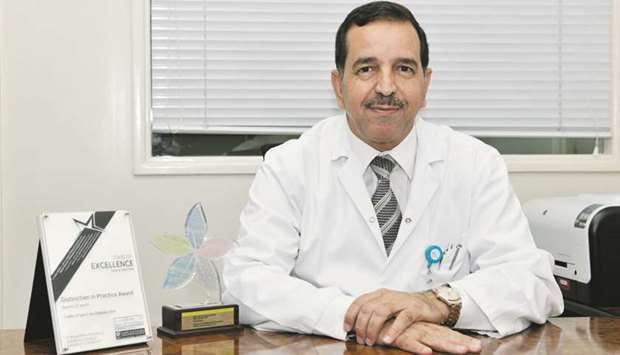
Dr Mahmoud Zirie