


Londoners are to get the chance to become a real-life Luther or Jane Tennison as Scotland Yard launches a radical scheme to recruit detectives from the general public.
The Met is to become the UK’s first force to hire people as trainee detectives without requiring them to undergo two years in uniform on the beat. Instead, recruits will carry out two years detective training, first in the classroom and then in borough CID units alongside trained officers.
The force launched the “Detective Pathway” recruitment drive yesterday and said it hoped to bring in 160 trainee investigators by next year. They will have a starting salary of £29,607.
Detective chief superintendent Stephen Clayman said : “London continues to change and so do its criminals. Increasing complex crimes such as cyber-criminality and the pressing need to protect vulnerable people mean our investigators need to develop new expertise.
“To meet these challenges and future threats, the Met needs to equip its officers with the right skills and capabilities. We need to ensure we are even more innovative in the way we recruit.”
The new trainee detective constables will work in CID to investigate crimes ranging from burglary and robbery to assault and rape.
The Met says it hopes to attract a new group of applicants to policing, including some looking for a career change and others put off by the uniform.
The move also comes as the Met is short of 700 detectives in borough policing with low detection rates in crimes such as burglary and robbery. Rank-and-file police leaders welcomed the move, saying the new officers would still need all the “omnicompetent” skills of a police constable.
Met Police Federation chairman Ken Marsh said: “The Met is recognising there are a lot of people who want to be detectives but don’t want to roll around on the ground with the baddies.
“They will still do two years’ probation, they will have to have the skills of a police constable such as safety training, so if they have other skills such as cyber expertise, let’s use them.” He added: “If you look at what happened in Manchester the number of skilled detectives needed to investigate that is phenomenal.”
However, there are concerns the move is controversial, with one recent report to chief constables highlighting a lack of respect by established CID officers for those hired by direct entry.
The new detective recruits will need degrees and will have to prove that they have lived in London for three of the past six years.
Detective chief superintendent Clayman, in charge of the recruitment programme, said the detectives would still be police officers expected to make arrests and get involved if they encountered a fight on the way home.
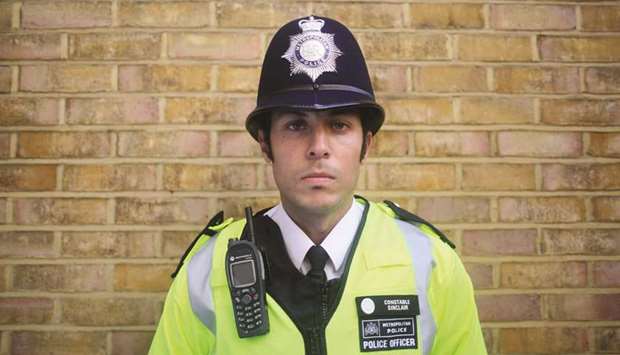
Police officer