


The London Metal Exchange will outline a preliminary plan to launch an electronic trading platform for over-the-counter metals derivatives in an upcoming discussion paper, according to a person with direct knowledge of the matter.
The LME will suggest linking up major dealers to create a unified OTC metals market, said the person, who asked not to be identified because the plans haven’t been made public. The paper is set to be published within two weeks, the person said. The proposal is part of a broader set of market reforms that the LME is putting forward, the person said. The discussions are at an initial stage and could change depending on market feedback.
“We are committed to broad engagement with our stakeholders, to understand their perspectives, and to map out a development path for the LME which evolves together with the needs of our users,” the exchange said by e-mail in response to Bloomberg questions.
Bilateral OTC contracts have long been used for transactions such as large hedges that would be difficult to execute on an exchange. They’re now also gaining popularity among electronic traders looking for a monthly futures-style contract, rather than the LME’s rolling three-month forward.
Banks including JPMorgan Chase & Co and Goldman Sachs Group Inc, as well as brokers such as Marex Spectron Group Ltd have built popular OTC trading platforms in recent years, helping them capture business from LME users frustrated with rising transaction costs. The migration to OTC has contributed to declining trading volumes on the LME at the same time as the exchange lost market share to rivals. Average daily volume in 2016 was down 7.7% from the previous year.
The LME’s plans could put it in competition with financial technology firm Autilla Inc, which is building a trading platform to capture OTC metals trades. Autilla is developing the venue in partnership with Martin Abbott, a former LME chief executive officer.
The discussion paper includes proposals for other reforms. For example, promoting electronic trading in monthly contracts that are similar to those offered by CME Group Inc and the Shanghai Futures Exchange, the person said. The new business plans are being spearheaded by interim chief executive officer Matthew Chamberlain, who took on the role in January following the retirement of predecessor Garry Jones. The 35-year-old executive has emerged as a favourite to take on the role permanently.
The LME’s relations with the metals industry have been strained in recent years after the exchange raised fees and encouraged more algorithmic trading.
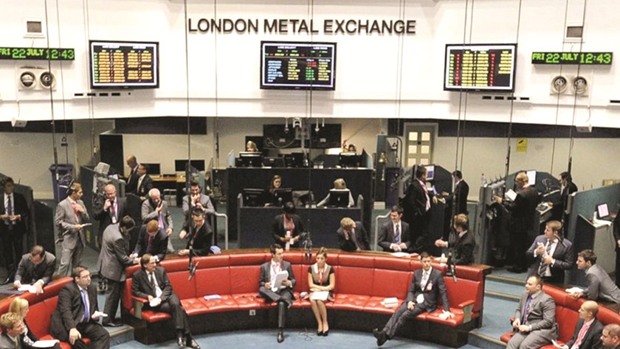
“We will only make changes where and when we believe these to be in the best interests of the whole market,” the LME said in a statement. The discussion paper also reiterates plans to keep open-outcry trading, which takes place in a ring of red leather couches at the LME’s London headquarters, the person said. The ring dates back to the early 19th century, and it is still used to set reference prices that underlie physical supply contracts used throughout the metals industry.
The London Metal Exchange will outline a preliminary plan to launch an electronic trading platform for over-the-counter metals derivatives in an upcoming discussion paper, according to a person with direct knowledge of the matter.