


Turkey’s central bank signalled on Thursday that it was ready to stem the slide in the lira by sharply tightening liquidity. Here’s a summary of what monetary policy makers are doing, and how they can push the average cost of funding up toward 10% without a formal rate increase before their January 24 meeting.
What has the central bank done so far?
The bank, led by Governor Murat Cetinkaya, cut off funding through daily one-week repurchase auctions at 8% for a second day on Friday. By withholding the cheapest form of liquidity it can offer, it’s forcing commercial lenders to use costlier options, mainly the overnight lending facility where the interest rate is 8.5%.
What impact has this had on funding costs?
The average cost of central bank funding went up only slightly to 8.34% on Thursday. That’s partly because salary payments to civil servants paid out by the Treasury earlier last week flooded the banking system with extra liquidity. Ozgur Altug, chief economist at brokerage BGC Partners in Istanbul, says the cost of central bank cash to lenders will probably rise gradually to 8.50% over the next three business days.
So why are we talking about a 10% rate?
As the lender of last resort, the central bank is obligated to cover the banking system’s entire funding needs at the end of the day. So far, it’s tightened rates by cutting off funding at its cheaper rate, pushing banks to use the overnight lending rate. But a person familiar with the bank’s plans said on Thursday that as funding is restricted, it expects lenders to use the so-called late liquidity window to borrow at 10%, and not the overnight rate.
Erkin Isik at TEB in Istanbul says that’s unlikely because it would put “unnecessary stress on the banking system.” In order to do it, the bank would need to limit the amount offered via overnight repo operations, he said.
How would that affect commercial banks?
Should it happen, when commercial banks go to the overnight markets, they may find there’s not enough funding available at the intermediate rates, leaving them no choice but to borrow at 10%. One response would be to raise rates on their loans to accommodate the difference, but President Recep Tayyip Erdogan has urged them not to. Erdogan says loan rates need to go down, not up, and that it’s time for the banks to forego some profits in order to help boost the economy.
In a speech on Thursday, the president said the central bank had the capabilities to deal with the present turmoil in markets, which had seen the lira drop more than 10% over eight trading days. “And if there’s going to be a sacrifice needed for this reason, now is exactly the time for it,” he added, warning the banks not enter into any “different calculations.”
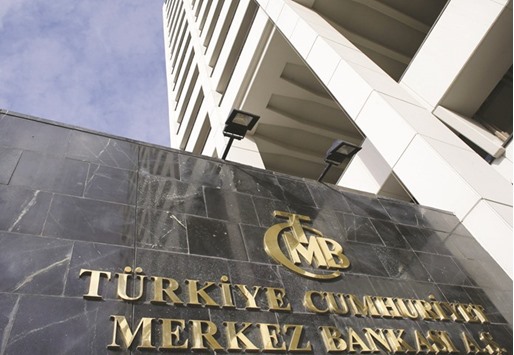
The headquarters of Turkey’s central bank is seen in Ankara (file). The bank signalled on Thursday that it was ready to stem the slide in the lira by sharply tightening liquidity.