


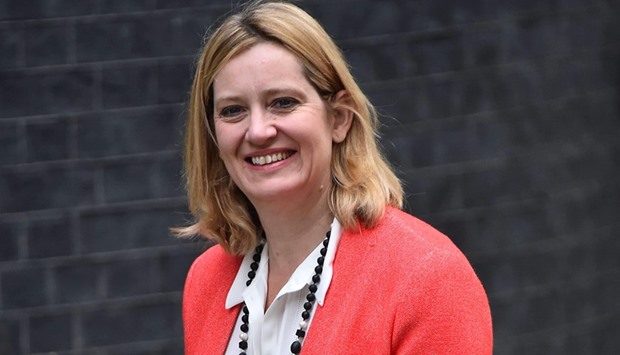
Amber Rudd, the home secretary, is due to give approval to the new model of the electric stun gun within weeks.
The X2 model has a second shot, in case the first fails to subdue a suspect, and is equipped with a warning crackle of bright electric light designed to encourage suspects to surrender before being fired upon.
The Home Office has been studying the new Taser for several months after police applied to use it in Britain. The current single-shot model, the X26, used by UK police forces, is 13 years old and spare parts are beginning to run out. Its likely successor, like the current model, delivers a 50,000-volt surge of electricity to incapacitate a suspect.
Steve White, chair of the Police Federation, which represents 124,000 rank-and-file officers, said: “A police officer gets assaulted every 22 minutes and they should have access to the right equipment, so we welcome the new model Taser. The current model is obsolete and forces can’t get spare parts for them.”
But critics believe a string of deaths allegedly linked to its use means Taser use should be curtailed. According to government figures, use of the devices has grown over recent years, with 1,921 Taser discharges recorded by police in England and Wales in 2015.
Black and minority ethnic people are also three times more likely to be on the receiving end of the weapons when discharged by officers, according to official figures. At least 11 deaths in Britain have followed the use of Tasers, but none have conclusively been shown to have been caused by them.
An inquest jury found the use by police in Manchester of a Taser in 2013 on Jordon Begley was “not reasonable” and that failings by police officers had contributed to his death. An official investigation into the incident has been reopened after the first one exonerated police.
Former footballer Dalian Atkinson died after a clash with officers in which a Taser was used in Telford in August 2016. A criminal investigation is under way and it is yet to be determined what the cause of death is and whether the Taser played any part.
Solicitor Sophie Khan, who has represented families who have lost relatives and believe Tasers are to blame, said: “The government should be looking to curb the use of Tasers instead of considering whether to authorise a new breed of Tasers, which is reported to be more powerful and more deadly than the model police forces use at present.
“The number of deaths and life-changing injuries that people have suffered as a result of the Taser cannot be ignored by the government, when they have a duty to protect us from harm. The families of those who I represent, whose loved ones have been Tasered are horrified that without a public consultation the government has pressed ahead with testing a weapon, which if unleashed would cause more Taser-related deaths.”
The US company that produces the device says it is wrong to describe the weapon as non-lethal, preferring instead the label “less lethal”. Steve Tuttle, vice-president of strategic communications for Taser, said the warning arc of electricity should make it less likely the device has to be fired.
He said: “You can use a warning arc button that lights up electricity at the front of the device. They (the suspect) would see two large electrical arcs crackling loudly and they are pretty bright at the front of the weapon being aimed at them.”
Tuttle said the X2 was first on sale in 2011 in the US. It has a host of new features which improve accountability and the protection it offers police: “It is more powerful in that you have a second backup shot,” he said.
The Police Federation wants any officer who wants a Taser to be given it.
White said the public supported Taser use but a funding squeeze may slow the new models being introduced to Britain. He said: “It remains to be seen whether forces will be able to fund replacements, though, due to budget constraints. Public attitudes towards Taser are changing and it is a hugely valuable tool which can diffuse situations, protect the public and save lives.”