


Saudi Arabia pulled out of planned talks with non-Opec nations including Russia as disagreements about how to share the burden of supply cuts stood in the way of a deal to boost prices just days before a make-or-break meeting in Vienna.
Opec officials were scheduled to meet with non-members including Russia tomorrow before a ministerial meeting in Vienna two days later. The meeting was later cancelled entirely after the Saudis decided not to take part.
Instead, the group called another internal meeting to try to resolve its own differences, particularly the question of whether Iran and Iraq are willing to cut production, said two delegates, asking not to be identified because the deliberations are sensitive. Saudi Arabia wants an Opec deal in place before conversations with other producers such as Russia, one delegate said.
The setback suggests that Saudi Arabia remains split from the two biggest Middle Eastern members at the Organisation of Petroleum Exporting Countries. Iran insists it should be allowed to restore output to pre-sanctions levels, while it remains unclear if Iraq is still disputing the Opec supply estimates that would provide the basis for any cuts. With less than a week until the crucial ministerial meeting, the refusal of just one major producer to participate could scuttle the whole of the agreement reached in September in Algiers.
“The whole Algerian deal wasn’t clear from beginning and their approach was ‘leave it to later’,” said Abdulsamad al-Awadhi, a former Opec official for Kuwait who is now an independent analyst in London. Two months after the initial accord “Opec leaders are confused and the group’s founding members can’t solve differences, but they want to have a deal with non-Opec. This is a tough call.”
Brent fell 3.6% to $47.24 a barrel in London on Friday. In New York, West Texas Intermediate fell to $46.06 a barrel.
In late September, Opec agreed the outline of its first production curbs since the global financial crisis in 2008. Since then, the group has spent two months trying to agree how to share the cuts, which would bring its production to a range of 32.5mn bpd to 33mn bpd. Opec estimates that it pumped 33.6mn bpd last month.
Technical experts from member countries met in Vienna last week to finalise the details of the cuts. After two days of meetings, the talks concluded without resolving the issue of Iran and Iraq, instead deferring the matter to ministerial talks on November 30. Those officials will now reconvene tomorrow in an effort to overcome the impasse, two delegates said.
Ministers from Saudi Arabia and Iran won’t arrive in Vienna until November 29, said Opec delegates, leaving little time for them to hold negotiations before the big meeting.
Saudi Arabia, Opec’s leading member, is ready to cut production, but only if all members share the burden of cuts equitably and transparently. In practice, that means the kingdom thinks Iraq needs to cut output and Iran has to freeze production around current levels, one Opec delegate said last week.
Prior to the November 23 comments by Prime Minister Haider al-Abadi, Iraq had sought an exemption from joining any production cuts, arguing that its fight against Islamic State justifies special treatment. That assertion still leaves unresolved the significant issue of exactly how much the country would reduce production, and from what level, said a Gulf Opec delegate on Thursday.
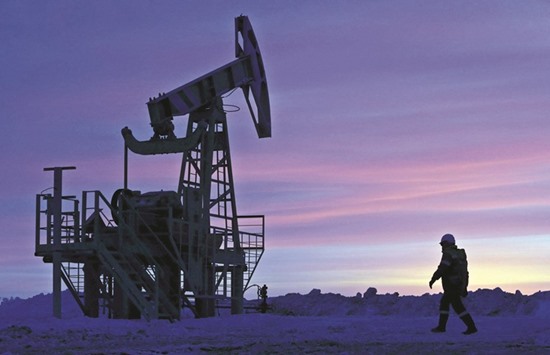
A worker at an oil field owned by Bashneft, Bashkortostan, Russia in this January 28, 2015 file photo. Opec officials were scheduled to meet with non-members including Russia tomorrow before a ministerial meeting in Vienna two days later. The meeting was later cancelled entirely after the Saudis decided not to take part.