


Irish Prime Minister Enda Kenny yesterday said he expected his British counterpart Theresa May to begin the formal process of leaving the European Union at the end of January or in early February next year.
“It is strictly a matter for the prime minister but it is my impression from discussions is that it will happen sometime toward the end of January or early February,” he said.
Speaking to reporters in Dublin ahead of the resumption of parliament next week, Kenny said the indications had come in separate meetings held recently in Dublin with UK Secretary of State for Exiting the EU David Davis and Northern Ireland Secretary James Brokenshire.
He added that Irish Finance Minister Michael Noonan will meet his British counterpart Philip Hammond in London today as Ireland is the EU member most-affected by Britain’s decision to leave.
Kenny’s remarks echo those of European Union president Donald Tusk, who also said at last week’s EU summit that he expected formal talks would begin early next year based on conversations he had had with the UK prime minister.
However, a government source in response to Tusk said that May did not mention a specific time frame during discussions the previous week and that the comments were based on an interpretation of the conversation.
The government has so far declined to declare when it will trigger Article 50 of the Lisbon Treaty, so beginning the formal process of leaving the EU following the referendum vote on June 23.
Meanwhile, a leading polls expert said yesterday said British voters do not regret backing Brexit and do not want a second referendum on EU membership.
Professor John Curtice of Glasgow’s Strathclyde University analysed a series of polls since the June 23 referendum when 52% voted to leave the European Union.
“We remain divided three months on — very few minds have been changed,” he told a briefing in London. He also revealed that people were now adjusting their expectations over pledges during the campaign to cut immigration and reallocate funds to the National Health Service which currently go to the EU.
“Before the referendum, over half the public expected the level of immigration to fall as a consequence of Brexit,” Curtice said. “Now, that number has fallen to around 45 %.”
Asked what they expected of Brexit, most Britons mentioned the end of freedom of movement but also continued access to the single market. “There is quite an appetite for some kind of compromise (with access to the single market) and some control over immigration,” he said.
European leaders including European Commission chief Jean-Claude Juncker insist they will not accept limits on the free movement of people, a core EU principle, in any deal that allows Britain access to the single market.
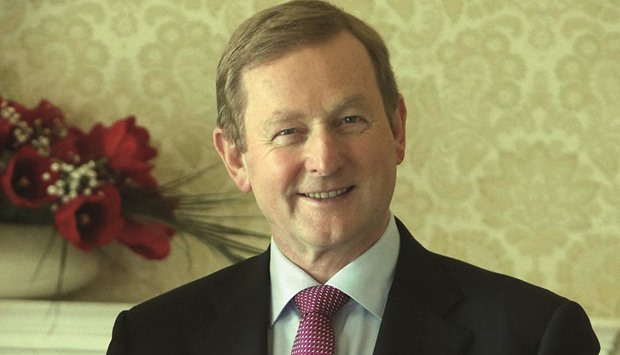
Enda Kenny