


Volkswagen reached a tentative settlement with auto dealerships for their losses from the diesel-cheating scheme affecting more than a half a million cars in the US.
The dollar value of the agreement covering 652 dealerships wasn’t disclosed during a hearing in San Francisco federal court over efforts to fix the diesel-powered vehicles rigged to cheat emissions tests or get them off US roads. In a statement, lawyers for the dealerships said VW had agreed to buy back unfixable used vehicles under the same terms as a buy-back plan for consumers and independent dealers.
Volkswagen said in a statement that it agreed to make cash payments and provide additional benefits to the dealers to resolve their claims.
US District Judge Charles Breyer, who last month gave preliminary approval to the carmaker’s settlement covering 480,000 Volkswagens with 2.0-litre engines, is pressing for a solution for vehicles with 3.0-litre engines. Those models include the Volkswagen Touareg, Porsche Cayenne and Audi Q5.
Breyer told the company to submit a plan for fixing the 3-litre engines and proof that it works to US regulators by October 24 and report back to him on November 3.
Almost a year after the cheating was made public, VW still doesn’t have an approved fix for any of the 562,000 cars still polluting US roads. The $14.7bn agreement with car owners and the government calls for buying back or fixing 2.0-litre models. Volkswagen is also on the hook for $603mn that the company agreed to pay 44 states, and it faces more state government claims and investor class actions in the US, lawsuits in Germany and South Korea and possible criminal penalties in all three countries.
Auto dealers and resellers sued VW in class actions alleging fraud and false advertising. Volkswagen was also sued by a few franchise dealerships this year who accused the carmaker of fraud for installing the pollution-control cheating devices in diesel vehicles and sticking them with continuing losses by failing to fix the problem for months.
Dealers are angry because they invested heavily in new, large stores in hopes of seeing the brand sell 800,000 vehicles a year, the goal set by former Volkswagen chief executive officer Martin Winterkorn. Volkswagen’s namesake brand sold 349,440 cars and light trucks in the US last year.
VW brand’s sales fell almost 14% this year through July while industry wide deliveries rose 1.3%, according to researcher Autodata Corp VW’s share of the market dropped to 1.7% from 2.1% a year earlier, Autodata said.
Since the US Environmental Protection Agency has yet to approve any of VW’s proposed remedies for the cars, it could be years before any of the vehicles are taken off US roads, a possibility that may increase fines and penalties against VW. The company has earmarked €18bn ($20.3bn) to cover the costs of the scandal.
As Volkswagen attempts to put its scandal in the trunk, Robert Bosch, VW’s main supplier of software that manages diesel engines, is fighting at least some of the claims that it shares blame for the devices used to cheat emissions tests. After plaintiffs filed an amended complaint on August 18 accusing Bosch of playing a key role in the development of the technology, Bosh denied claims that its employees were part of the conspiracy.
Bosch will defend itself against the “wild and unfounded” allegations, the German component manufacturer said in a filing in the litigation consolidated before Breyer. Bosch, a defendant in some of those lawsuits, isn’t part of VW’s US settlement.
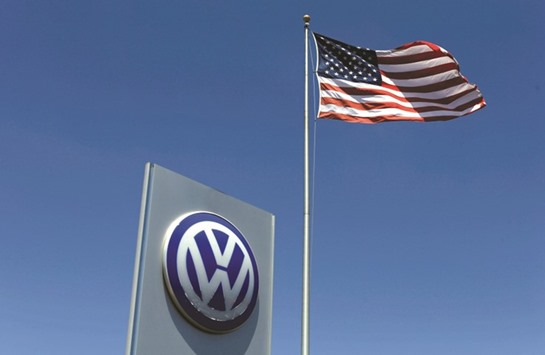
A US flag flutters above a Volkswagen dealership in Carlsbad, California. In a statement yesterday, lawyers for dealerships in the US said VW had agreed to buy back unfixable used vehicles under the same terms as a buy-back plan for consumers and independent dealers.