


US billionaire Wilbur Ross said a British vote to leave the European Union would be the “most expensive divorce proceeding in the history of the world” with the potential to roil global markets and hurt his investment in the country.
A so-called Brexit through a referendum on Thursday “would be terrible” for sterling as well as UK, European and US markets, Ross, chairman of private-equity firm WL Ross & Co, said in an interview with Bloomberg Television’s Guy Johnson and Caroline Hyde. However, the veteran investor said he was going long on the UK because “the British public would come to its senses and not make this very foolhardy decision to leave.”
Global equities rallied and the pound strengthened by the most in three months yesterday amid signs Britons are warming toward the EU ahead of the vote, following weeks of volatility sparked by the debate over whether the country should leave the trading bloc. Ross said his largest British holding is in lender Virgin Money Holdings UK Plc, where he ranks second behind billionaire founder Richard Branson, who is also pushing to keep the country in the EU.
A vote to leave could spark a 10% slump in house prices and “wipe out” about half the net worth of the average older British citizen and sink the value of sterling, according to Ross. That would hurt Virgin Money, which is a large UK mortgage lender conducting business solely in the domestic currency. He would “have to see how badly it got hurt,” he said, before deciding whether to sell his 11.9% stake in the company, which has an entire market value of £1.5bn ($2.2bn).
“It’s the people that are retired that seem to be most in favor of leaving and that’s really strange,” Ross said. “In most countries it’s the older people which are more conservative. Here it’s the young people who want to stay and the old people who want to plunge off into the dark.”
While a Brexit has the potential to hurt the value of Ross’s European investments, from Virgin Money to Greek lenders and Bank of Cyprus, any resulting fall in market values could present buying opportunities.
“I don’t think this is a Lehman moment in that I don’t think the world comes to an end,” Ross said. “If there were a real collapse, say the market goes down 10%, 15%, or some big amount like that, then I’m sure there would be some very attractive other things that would develop.”
Deutsche Bank AG and other German lenders have assets to sell that “could be a source of opportunity,” while he may consider acquisitions in Italy if the country makes changes to foreclosure laws, he said.
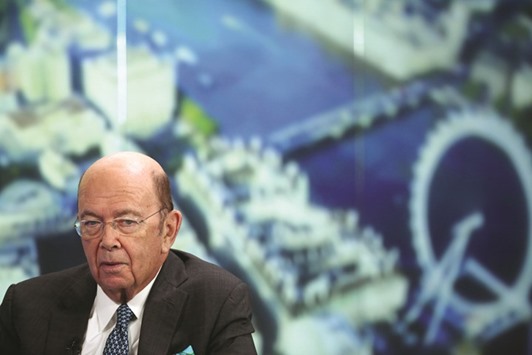
Ross: Going long.