


According to a filing in Manhattan federal court, the plaintiff Robert Scheuer agreed to voluntarily dismiss his claims against the automaker with prejudice. Scheuer agreed to take nothing on his claims, the filing showed.
Friday's filing came in the wake of allegations that the plaintiff had given misleading testimony about his physical and financial condition.
Scheuer accused GM of concealing an ignition switch defect that prevented air bags in his 2003 Saturn Ion from deploying in a May 2014 crash, shortly after the automaker began a recall of 2.6 million vehicles with the defect.
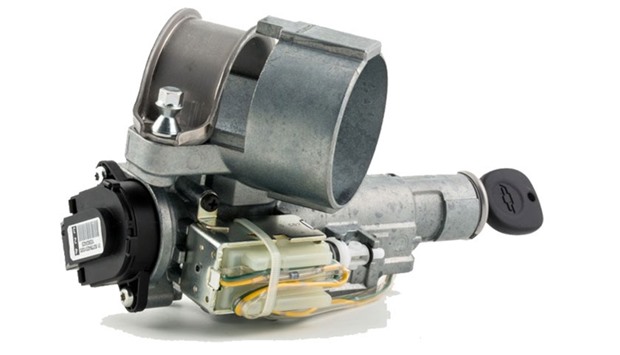
An ignition switch defect on Ions, Chevrolet Cobalts and other GM vehicles could cause engines to stall and prevent airbags from deploying in crashes. The problem has since been linked to nearly 400 injuries and deaths.
The dismissal came a day after U.S. District Judge Jesse Furman, who oversees nationwide litigation over the defect, urged GM and Scheuer to consider ending the trial, and for the automaker to prepare for a second "bellwether" trial set for March.
Bellwether trials are sometimes used in product liability litigation in which many people have similar claims. They are meant to guide settlement discussions.
On Monday, GM told Furman it had learned of new evidence to show that Scheuer and his wife gave misleading testimony about the link between the crash and their later eviction from their "dream house," among other things.
The couple has hired criminal defense lawyers. Furman on Thursday said if GM's account were correct, then it might show that "plaintiff and perhaps his wife have committed a fraud on this court."
Scheuer's trial began on Jan. 12. The dismissal is unlikely to affect other switch lawsuits, but is a setback for efforts to gauge the value of similar claims.
Furman said on Thursday that it had become clear that Scheuer's case was an "outlier," and that a verdict would not yield important information about the litigation as a whole.