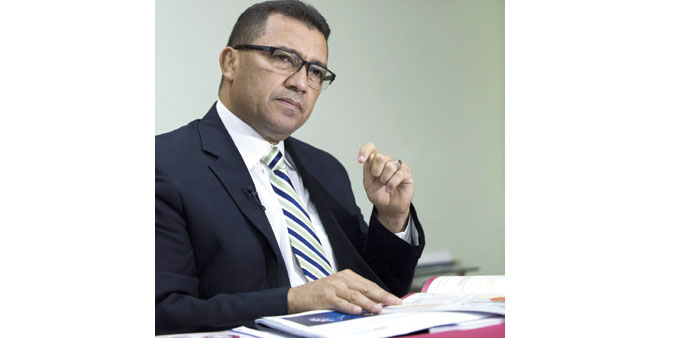
Reuters/Caracas
Venezuela is investigating whether drug companies including Germany’s Merck KGaA and Bayer AG have improperly profited from subsidised foreign exchange amid growing medicine shortages, the country’s health minister said.
Those firms have received a favourable exchange rate through Venezuela’s currency controls to produce or import price-controlled medication to treat chronic ailments such as thyroid conditions, Health Minister Henry Ventura said in an interview.
But they instead primarily used those dollars to produce or import more profitable items such as vitamins, he added.
“They are not producing medication that is subject to price regulation, and they are producing medicine that makes profit for them,” Ventura said in his office in Caracas.
“We want transnational companies to stay in the country, but to produce ethically.”
Venezuela has for years clashed with international companies, most notably during a wave of state takeovers of foreign-owned factories led by late socialist leader Hugo Chavez who died of cancer in 2013.
Bayer received $200mn at the preferential rate of 6.3 bolivars per dollar in 2014, Ventura said. He described the company as having a “monopoly” on birth control medication but said those products were not available in pharmacies.
He said Merck, which supplies thyroid medication Euthyrox, received $285mn at the preferential exchange rate, but that thyroid medication has also vanished from pharmacies.
“We have to tell the transnationals that are in this country that they should continue producing, but they should not continue conspiring,” said Ventura, himself a doctor who was also a Socialist Party legislator. Shortly before becoming health minister, Ventura accused pharmaceutical companies of worsening medicine shortages.
The 12-year-old currency controls provide dollars at the preferential rate for priority goods such as food and medicine, compared with a weaker official rate of nearly 200 bolivars and the black market rate of almost 280 bolivars.
Officials say some unscrupulous companies game the system by acquiring cheap dollars on the pretense of importing priority goods, and then either resell the dollars on the black market or import different products that have higher profit margins.
A Merck spokesman said in an e-mailed statement that the company “cannot have the authorisation to deliver Euthyrox and then deliver another drug - this is by regulations in Venezuela just not possible.”
He denied Merck had any links to the country’s medical shortages, adding that it had received less than half the $285mn described by Ventura.
A Bayer spokesman said in a statement that “despite the financial crisis and significant outstanding payments, Bayer has been working very closely with the Venezuelan government to ensure the supply of our medical products for high unmet medical needs.”
The company has provided drugs for cancer, hemophilia and multiple sclerosis as required by the Venezuelan social security system, he added.
Bayer’s Venezuela division as of year-end 2014 had around 150mn euros in local currency that it had been unable to repatriate due to the currency controls.
Balance sheet losses have become routine for multinationals with business to Venezuela as steady devaluations of the bolivar have forced them to write down asset values.
President Nicolas Maduro has described shortages of consumer goods ranging from analgesics to dish soap as being part of an “economic war” against his socialist government led by businesses leaders with Washington’s backing.
“We do not want to think that the pharmaceutical industry is backing the economic war,” Ventura said.
The shortages, which have spawned long lines at many supermarkets and pharmacies, are weighing on Maduro’s popularity and may strengthen the opposition in this year’s legislative elections.
Critics and industry leaders say the shortages are the result of insufficient hard currency to import raw materials, and price controls that limit incentives for production while stimulating contraband of goods to nearby countries.