


Bloomberg
New York
As the dollar soars month after month, the chorus of voices expressing concern about how it will imperil emerging-market companies that borrowed abroad is growing.
India central bank Governor Raghuram Rajan said in February that such borrowing is akin to playing Russian roulette. A few months earlier, the Bank for International Settlements labelled it a “possible source of vulnerability” because the stronger dollar requires borrowers in developing nations to scrounge up more local currency to repay their debts.
While these are logical concerns to express about a market that has tripled over the past five years to $1.4tn, they may be overblown.
Here’s why: Two decades after emerging-nation borrowers first regained access to international markets, their makeup remains largely the same today as it was then. Precise breakdowns are hard to come by, but these issuers tend to be companies that generate much of their revenue from exports, giving them a steady stream of dollars that creates a natural hedge against currency devaluations, according to Barclays and Goldman Sachs Asset Management. And many of those who don’t have overseas revenue often buy currency hedges in the derivatives market to protect themselves, they said.
“Are some corporates vulnerable? Absolutely,” said Yacov Arnopolin, an emerging-market fixed income fund manager who helps oversee about $39bn at Goldman in New York. “But the current narrative tends to be too dramatic around this issue.”
The markets seem largely unfazed by the concern so far.
A Bloomberg gauge of junk bonds sold by developing-nation companies has returned 3.3% this year through March 31, compared with an average 0.5% return for their global peers. Overall, developing-nation corporate bonds are yielding 5.6%. While that’s up about a half-percentage point from a year ago, it’s down from a high of 6.6% late last year.
In recent years, bond issuance from emerging markets has come to be dominated by companies as cash-flush governments scaled back their international borrowing.
Analysts and investors break down the market into three categories: borrowers who have dollar revenue; those who have hedged their dollar liabilities; and those who have neither overseas earnings nor hedges.
The first group is perhaps the biggest. Oil and materials producers alone - two export-oriented sectors - have sold about 30% of the dollar debt, according to data compiled by Bloomberg. While hurt by slumping energy prices, they’re largely unaffected by, or even benefit from, exchange-rate declines because they receive revenue in dollars and have most of their costs in local currencies, said Aziz Sunderji, a strategist at Barclays.
Bonds of the Russian steelmaker Evraz, for example, have returned 12% over the past year as the rouble plunged 38% against the dollar.
The most exposed companies to foreign-exchange swings are those that sell their services and products in the local market, Sunderji said.
These industries, which include telecommunications, airlines, retailers, property developers and utility companies, account for 19% of the debt outstanding, Bloomberg data show.
Yet some of them have currency hedges in place to mitigate the effects. A BIS survey showed that emerging-market currency derivative trading soared to $536bn in 2013 from $380bn three years earlier, a sign that companies may have increased their hedging. What’s left are banks and financial firms, which make up 38% of the overseas debt. Most of them have dollar assets to offset the liabilities, according to Sunderji.
When all the pieces are put together, the risk of a 1980s- like emerging-market crisis seems remote, according to Peter Varga, who manages $1.1bn in emerging-market corporate bonds at Erste Sparinvest in Vienna.
“I’m not really concerned,” Varga said in an interview last month. “The companies facing problems are minorities.”
Among those in the minority, Gol Linhas Aereas Inteligentes, Brazil’s biggest airline, stands out as one of the biggest losers.
The company gets 87% of its revenue in reais while over 75% of its obligations are in foreign currencies. Concern the airline will struggle to pay its dollar debt has sent yields on its bonds due 2022 soaring more than 6 percentage points since they were sold in September to 15.7%. Gol’s press office declined to comment in an e-mailed response to questions.
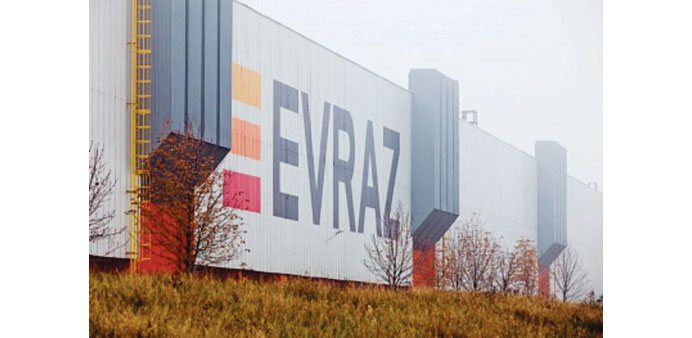
Bonds of Russian steelmaker Evraz have returned 12% over the past year as the rouble plunged 38% against the dollar.