


Recently I had visited Senegal, a country in the West African region and would like to share my glimpse of Senegal economy. Agriculture, livestock and agribusiness are some of the main dynamic sectors of the Senegalese economy. It has multiparty democracy, robust institutions and is a private-sector-driven economy. It is known for its leadership in major decisions favouring Africa.
Senegal has upgraded its infrastructure through the public-private partnership model. Senegal’s economy is expected to expand 4.6% in 2014 from 4% in 2013. It aims to narrow the budget deficit to 4.9% of gross domestic product in 2014 and less than 4% by 2015.
Senegal is essentially an agricultural country. The recent economic and social development policies focus on sectors such as education, health, agriculture, energy, water, sanitation, local development, environment and Sustainable Development.
Senegal is a member of the West African Economic and Monetary Union (WAEMU) of eight countries and the Economic Community of West African States (ECOWAS). The Central Bank of West African States which serves the eight countries of West African Economic and Monetary Union (WAEMU) has its headquarters at Senegal’s capital city, Dakar, and the currency of WAEMU is West African Franc.
Senegal also has a B+ rating from S&P.
Senegal has been keen to attract foreign direct Investment (FDI). It has finalised Foreign Investment Promotion and Protection Agreements (FIPA) with partner countries which provide investors with guarantees, ensure non-discriminatory treatment and safeguard their interests. Senegal aims to establish investors’ trust as well as a legal and judicial framework to attract large FDI flows.
It has also entered into Double Taxation Relief agreements (DTRA) with partner countries which guarantee investors’ tax status transparency and avoid double taxation. The Free Export Enterprise status is granted to companies exporting 80% or more of their output.
Agriculture, in its broadest sense, and teleservices industry sectors are eligible and the key advantages are lower corporate tax, payroll tax exemption, registration fees, stamp duty and business licence taxes waived and also taxes on equipment purchase and raw materials.
Senegal enjoys preferential access to European markets through ACP-EU (African, Caribbean, Pacific – European Union agreements and to the US through AGOA (African Growth and Opportunity Act). These measures provide consumer goods exports to these countries duty free or at reduced rates with no quota.
There are export opportunities in agribusiness in areas such as floriculture, fruit cultivation, cashewnut and groundnut.
The government is also reviewing energy and land management regulations and also wants to make urban and rural land management more transparent. Under a 2013-2017 energy plan, the national power grid will be expanded and energy-production costs reduced as the government taps into a combination of coal, natural gas, hydropower and renewable sources.
There are investment opportunities in areas such as fishing and aquaculture, Oil and Gas, Construction and Health care. A Code of Aquaculture with incentives to facilitate the acquisition of land, the remission of facilities and business tax exemption.
An Investment Plan model for small and medium aquaculture enterprises (SMEs) to guide potential investors based on existing aquaculture SMEs performance. Senegal’s ambition to boost oil exploration and investment has drawn the attention of foreign oil, gas and mining companies. Planned exploration has focused on the productive Mauritania-Senegal-Guinea Bissau Basin.
New construction is evident across Senegal’s main cities as it upgrades existing infrastructure, from ports to roads. This drives the demand for the heavy industry supplies, particularly in the cement sector. Foundations for growth in the high added value sector of health are strong. Biomedical research, clinical trials and pharmaceuticals are ripe for sustainable development.
Senegal is also the major sub regional destination for health tourism, and newly established clinics are experiencing significant growth.
There is scope for cooperation between GCC and Senegal in agriculture and food processing, construction materials, maritime, trade and tourism.
GCC is a key market for agricultural exports such vegetables, sugar, wheat and other grains GCC countries can also explore Foreign Investment Promotion and Protection Agreements (FIPA) with Senegal.
GCC investors can also look in Senegal from the enormous opportunities in infrastructure, tourism, agriculture and economic zones. Industries in the GCC could be developed using raw materials from Senegal, while the vast agricultural lands can be cultivated to contribute to the Gulf’s food security through investments.
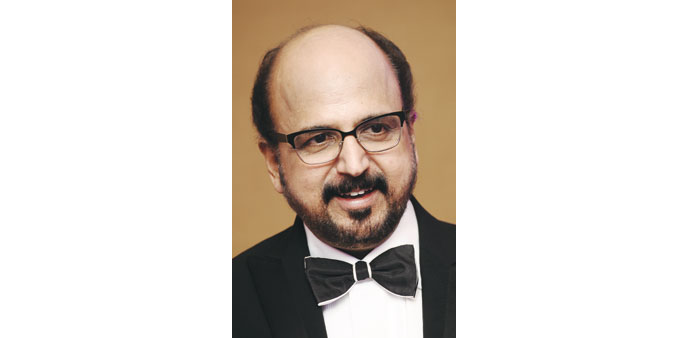
*Dr R Seetharaman is Group CEO of Doha Bank. The views expressed are his own.