


Evening Standard/London
Google has begun blurring out the homes of celebrities on its ‘street view’ maps after some claimed the images breached their privacy under new European laws, it has been reported.
The search engine giant this week removed images of properties owned by the likes of former prime minister Tony Blair and Sir Paul McCartney.
Pictures of houses owned by singer Katherine Jenkins and rocker Jimmy Page are also understood to have been removed, according to reports on the MailOnline.
The Google Street View tool currently includes millions of photographs which allow online users to navigate their way around most parts of the UK at street level in 3D.
But following a ruling by the Court of Justice of the European Union in May, which gave individuals the “right to be forgotten”, certain images have become obscured.
A Google spokesman confirmed that individuals with a “compelling case” could request that images of their homes be removed.It is understood the new ruling has led to a significant increase in requests for images to be taken off the site.
The law, which covers data that is deemed “inadequate, irrelevant or no longer relevant”, has also led to Google removing links to articles from its pages.
The Guardian, the BBC and the MailOnline, have this week received official notifications from the US based company that articles published by them will soon no longer show up in online searches.
Freedom of speech campaigners argue the move could lead to unjustified levels of censorship.
Digital rights campaigners from the Open Rights Group have called on Google to reject requests to remove links and refer individual cases to the Information Commissioner for further assessment.
The group’s executive director Jim Killock told the Standard: “When the European ruling was made, we questioned the ability of private companies to make judgements that properly balance the right to privacy and the right to information.
“However, on the face of it, it seems to be in the public interest for many of these removed articles to be available, which suggests that their removal may be more about provoking a reaction than complying with the ruling.”
Emma Carr, acting director of privacy pressure group Big Brother Watch said individuals who want information removed about them should “tackle that at the source” and liaise directly with online content owners.
She said: “Those arguing that this ruling is a successful move towards ‘the right to be forgotten’ are quite simply wrong; it is going to be of huge detriment to freedom of speech.
“There is little doubt that making intermediaries responsible for the actions of the content of other people will inevitably lead to greater surveillance and a risk of censorship.”
On Wednesday, BBC business correspondent Robert Peston raised concerns that his blog from 2007 about former Merrill Lynch head Stan O’Neal was about to become ‘unsearchable’ on Google in Europe.
He said: “Most people would argue that it is highly relevant for the track record, good or bad, of a business leader to remain on the public record - especially someone widely seen as having played an important role in the worst financial crisis in living memory”.
Meanwhile Guardian journalist James Ball has suggested the recent removal of search results for the newspaper’s stories about a retired Scottish Premier League referee represent “a huge, if indirect, challenge to press freedom”.
In an article for the newspaper yesterday, he added: “The [EU] ruling has created a stopwatch on free expression – our journalism can be found only until someone asks for it to be hidden.”
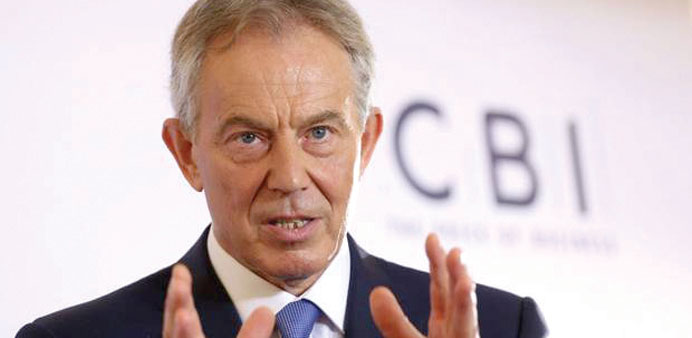
One of Tony Blair’s properties has been removed from Street View.