


|
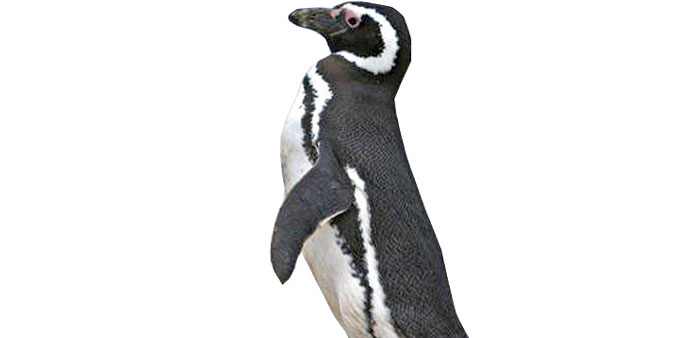
Magdalena Island, located near Chile’s southern tip, is a haven for tens of thousands of penguins who come every year to breed. |
But global warming could threaten the long-term survival of the species, say experts at the island nature reserve in the Strait of Magellan, about 50kms from the city of Punta Arenas.
The island is home to 22 bird species - 11 which nest year-round and 11 seasonal visitors — including the Magellanic penguin.
Some 23,000 tourists a year make the trip to Los Pinguinos Natural Monument, a protected area comprising tiny Marta Island and windswept Magdalena Island.
The penguins’ main predators are aggressive seabirds called skuas and Dominican gulls, which feed off penguin eggs and young, says Roberto Fernandez, a ranger at the site for the past seven years.
And those predator populations are growing.
“Right now, what we are seeing is summer starting late, then lasting through into March. Climate change is bringing about a rise in gull numbers, that is for sure,” monument administrator Neftali Aroca said.
“You would have to undertake a long-term study in order to link this increase with a reduction in the penguin population but the forecast is that in the future, the penguins could be at risk.”
The worrying prognosis seems to confirm alarm bells sounded in January in a study published in the scientific journal PLOS ONE, which indicated that extreme weather, such as unseasonal warmth and heavy rainfall, may have killed off a considerable number of young Magellanic penguins.
The study — conducted over a period of 27 years in Argentina’s Punta Tombo peninsula, the largest breeding ground for the species — showed that 65% of the colony’s young died annually on average, 40% of them from hunger and seven percent owing to the effects of climate change.
Each year, the penguins flee the cold to spend winter in the warmer waters off Brazil.
As soon as they are big enough to swim, they head off on a 4,000km odyssey from Magdalena Island to Brazil.
They spend the Southern Hemisphere winter on the coast of Brazil’s southern Santa Catarina state — though they sometimes make it as far up as Rio de Janeiro’s beaches.