


The outlook for Qatar’s project market from now until 2020 is strong as projects planned or underway reach an estimated value of $285bn, according to the latest data from MEED Projects for MEED Qatar Projects 2014 conference.
The dominant line of thinking is that the project activity is attributed to Qatar’s preparations for the FIFA World Cup 2022, but the bulk of the projects are actually part of the plan for the Qatar National Vision 2030 economic roadmap.
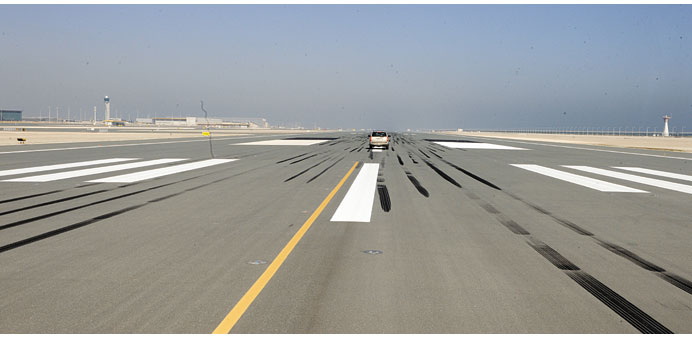
Qatar is undertaking a number of mega projects in order to accomplish the National Vision, with significant investments being poured into the transportation and shipping infrastructure, including the construction of the New Doha International Airport (now the Hamad International Airport), the New Doha Port, and several mega cities such as Lusail and Msheireb,” said Edmund O’ Sullivan, chairman, MEED Events, organisers of the two-day conference that will open at the Grand Hyatt Doha this morning.
More than 85 international and regional experts will be in Doha to give insights and provide clarity on the project opportunities across Qatar’s infrastructure, transport, oil, gas, power and water sectors.
Stephen Anderson, country senior partner, PricewaterhouseCoopers Qatar will present “The Strategic Roadmap to Achieving the Qatar National Vision 2030”.
“The next few years will be a critical period for Qatar’s projects market and the economy as a whole. Project spending will have a major impact on the country’s growth initiatives and the success of these projects will have a lasting socio-economic impact, even beyond 2030.”
Assessing the funding options for contractors in financing Qatar’s mega projects programme is among the key panel sessions taking place at the conference. The discussions will cover the role that will be played by financing institutions, regional and international banks including, in funding Qatar’s projects.
The session will benefit contractors and developers as banks’ key lending criteria are discussed, along with the various contractor financing schemes developed by financial institutions.
“The massive project activity, although supported by government investments, will require private sector involvement and financing is a critical element of delivering these projects. Banks will play a major part, but contractors have other options such as capital market and sukuks,” said Mustapha Guettouchi, unit manager (contracting finance) at Mashreq, who is one of the featured panelists.