


Around 600,000 NHS staff will receive a lower-than-expected pay rise after the government rejected a call for them to be awarded a 1% rise on top of automatic “progression pay” that averages around 3%.
The government has also decided that 400 “very senior managers” in the NHS, who are no longer on progression pay will receive no pay rise at all.
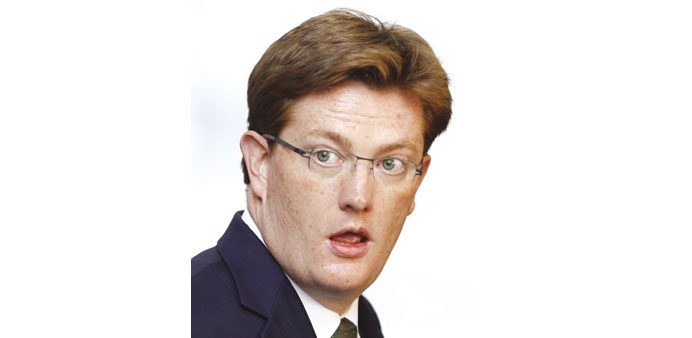
Danny Alexander, the chief secretary to the Treasury, said the government needed to press ahead with “public sector pay restraint” as he said that the decisions would save a total of £200mn in the NHS budget in 2014-15 and £400mn in 2015-16.
Christina McAnea, head of health at Unison, said: “This coalition government has taken a scalpel to the pay body’s report and won’t escape the anger of NHS staff. It’s a disgrace that 70% of nurses will not even get a pay rise this year. What sort of message does this give to the value this government places on dedicated NHS staff?”
Unison criticised the government after it set out how it would implement pay rises for 2014-15 after it asked the pay review bodies to examine how a 1% increase could be applied to the relevant public sector workforces.
In addition to the NHS decision, the government announced a 1% increase for members of the armed forces, contractor doctors and nurses and members of the judiciary.
Departments will award a 1% increase to senior civil servants on a discretionary basis and a 1% rise will be awarded to the majority of prison officers.
Police and crime commissioners will receive no increase.
Alexander also announced that £1bn in employer public pension contributions will have to be paid by individual government departments rather than from the treasury’s central “annually managed expenditure” pot. This will give Osborne an extra £1bn in next week’s budget, which he could invest in infrastructure. But it means that individual departments will have to make a greater contribution to pensions.
The education department will have to pay an extra 2.3%, working out at £330mn in 2015-16 and £560mn in 2016-17. For the civil service it will mean an extra 2.2%, working out £275mn a year from 2015-16 and onwards.
For the NHS it will be a 0.3% increase, working out at £125mn a year from 2015-16. The Treasury chief secretary said of the 1% pay rises: “Public sector workers make a vital contribution to the effective delivery of public services. We need to continue with public sector pay restraint in order to put the nation’s finances back on a sustainable footing. We are delivering on our commitment to a one percent pay rise for all except some of the most senior public sector workers.