


The emphasis on Shariah compliance has increased and there is a demand for more Shariah-based banking.
Reuters/Islamabad
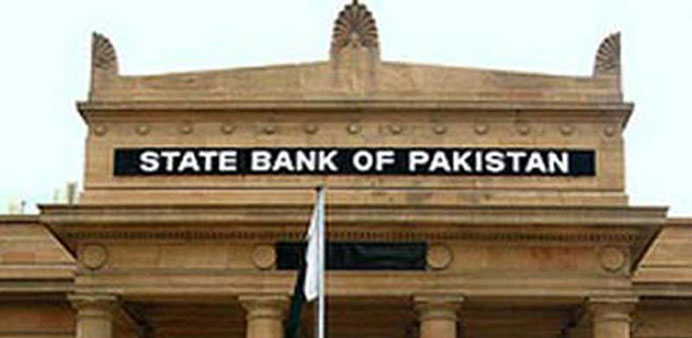
The central bank of Pakistan is stepping up its push to develop Islamic banking, encouraging lenders to expand their operations in the world’s second most populous Muslim nation.
Pakistan was one of the first countries to introduce Islamic banking at a national level in the 1970s, but the industry’s share of the overall banking system has lagged levels in some other countries.
As of September, Islamic banks held Rs926bn rupees of assets or 9.5% of the total, up from 8.1% a year earlier, central bank data showed. That compares with around 25% in the Gulf Arab region.
The central bank aims to double the industry’s branch network and reach a 15% share of the banking system in the next five years, and is taking fresh steps to achieve that.
This month, the central bank named a new deputy governor to focus on Islamic banking and enlisted renowned scholar Mohamed Taqi Usmani to its Shariah board, part of efforts to improve consumers’ perception of the industry.
“The emphasis on Shariah compliance has increased and there is a demand for more Shariah-based Islamic banking rather than simply Shariah-compliant banking,” Shakir Ullah, a member of the central bank’s Islamic banking focus group, said.
“I expect that Pakistan will soon become a key player in Islamic banking globally and will probably take the role it played in the 1980s as the pioneer of Islamic banking.”
Shariah-compliant banking merely obeys the industry’s rules, while shariah-based business also follows the spirit of Islamic principles such as an emphasis on transactions based on real economic activity rather than monetary speculation.
Last year, the central bank launched a media awareness campaign and said it would revise rules on Shariah governance and liquidity management for Islamic banks.
Pakistani lenders currently include five full-fledged Islamic banks and 14 which operate Islamic windows, and some appear to be responding. A number of conventional banks aim to grow or spin off their existing Islamic windows, while new entrants are expected.
One of them is Summit Bank, which last year said it would convert itself into a full-fledged Islamic bank over a three- to five-year period.
It has Rs111.9bn of assets and 187 branches, which at present would make it Pakistan’s second largest Islamic bank after Meezan Bank, taking second spot away from the Pakistani unit of Dubai Islamic Bank.
“Summit is actively working on their groundwork, like finalising manuals, product papers, etc. They will soon convert one of their conventional branches here in Karachi and will start operations,” said a central bank source. The bank did not respond to Reuters requests for comment.
Other banks plan to expand their existing branch networks. This is seen as key because 56% of the Islamic industry’s 1,161 branches are in the five largest cities, leaving smaller cities underserved, the central bank said in a report.
National Bank of Pakistan (NBP) added 10 branches to its Islamic window last year and plans seven more by the end of this quarter, to reach a total of 25, said Zubair Haider, NBP’s group chief of Islamic banking.
“Our business plan calls for over 100 branches in the next three years. The environment is quite positive and banks are quite keen to push into Islamic banking.”
Other conventional banks such as Allied Bank will soon offer Islamic banking, while Bank of Punjab opened its first Islamic branch last year, said Haider.
“From an awareness point of view this will help the industry,” he added.
This month, MCB Bank was given regulatory approval to spin off its Islamic window into a separate subsidiary with Rs10bn in paid-up capital, using its existing 27 Islamic banking branches to form the new entity.
Competitive pressures are expected to increase, said Suleman Mohamed Ali, vice-president of product development and Shariah compliance at Meezan Bank.
“There has been renewed aggressiveness from existing participants like Alfalah Islamic and Dubai Islamic Bank through expansion of branches and revamping of divisions.
“This may result in eroding the conventional share in the long term and increase competitiveness among Islamic banks in the near term,” said Ali.
Bank Islami Pakistan expects business will more than double in the next three years, forecasting its assets will reach Rs184bn by 2016 from Rs81.2bn last September, a stock exchange filing showed.
The central bank’s media campaign is expected to intensify in coming months and such educational efforts could attract previously unbanked clients to the sector, rather than snatch them away from conventional banks, said NBP’s Haider.
Positive market sentiment has prompted some investors in the sector to cash out: Kuwaiti firm Noor Financial said last month that it was selling its 49.11% stake in Meezan Bank for $190mn, expecting to post a $24mn profit. The identity of the buyer has not been officially revealed.