


|
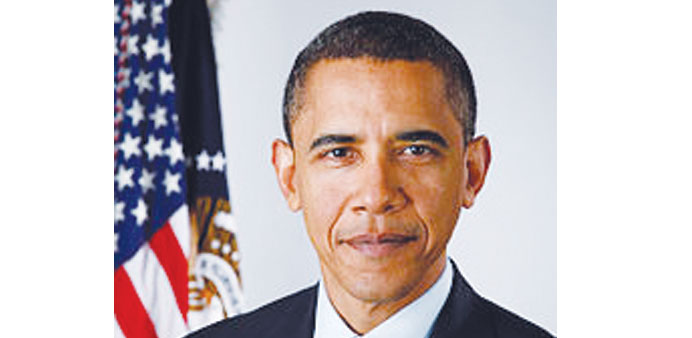
US President Barack Obama has not gone far enough in reforming the monitoring activities of the National Security Agency (NSA) and is continuing to violate the privacy rights of individuals, the head of Human Rights Watch told Reuters. |
On Friday, Obama banned eavesdropping on the leaders of allies and began reining in the vast collection of US citizens’ phone data, seeking to reassure Americans and foreigners that the US would take into account privacy concerns highlighted by Edward Snowden’s revelations.
Kenneth Roth, executive director of the New York-based group, saidin Berlin that Obama had provided little more than “vague assurance” on monitoring communications.
“In none of this has there been a recognition that non-Americans outside the US have a right to the privacy of their communications, that everybody has a right to the privacy of their metadata and that everybody has a right not to have their electronic communications scooped up into a government computer,” he said.
Roth said the US needed to stop gathering communications en masse, saying there was no proof that it made a difference to security.
He likened the US approach to putting a video camera in people’s bedrooms and saying this did not violate privacy rights because the footage would only be looked at in the event of a security risk.
Obama said last week that collecting telephone records under Section 215 of the Patriot Act - passed after the September 11, 2001, attacks on the US - involved gathering phone numbers, times and durations of calls and said this metadata “can be queried if and when we have a reasonable suspicion that a particular number is linked to a terrorist organisation”.
In its annual report, HRW said there was a risk that governments would respond to the US “overreaching” by preventing their citizens’ data from leaving their home country, a move that could lead to more censorship of the Internet.
“In the end, there will be no safe haven if privacy is seen as a domestic issue, subject to carve-outs and lax or non-existent oversight,” said Dinah PoKempner, General Counsel at HRW.